

Next generation sequencing technology, which allows for a holistic understanding of the living structure with big data, is an important part of Multi-OMICS. Our goal is to support researchers by utilizing the opportunities of next generation sequencing (NGS) technology in the process from project planning of genomics studies to data acquisition.
Researchers can access all coding and non-coding RNA information quickly and reliably with RNA-Seq.
mRNA-Seq studies, which are based on sequencing and comparative analysis of coding regions in the genome, also allow for the study of new gene isoforms, gene fusions and allele-specific expression.
It enables target-specific RNA studies with the knowledge of the genes to be studied.
Small RNA (microRNAs) sequencing studies have provided significant benefits in understanding epigenetic pathways. Important studies such as the effect of post-transcriptional regulations on phenotype and the discovery of new biomarkers can be performed more powerfully with small RNA sequencing studies.
Whole exome sequencing (WES), clinical exome and targated sequencing, these changes related to diseases can be examined in a holistic manner.
The study of 16S, ITS and small genomes by next-generation sequencing has made it possible to study the phylogenetic tree and taxonomic classification of complex microorganisms. In this way, it has become possible to look at the microbiological diversity at a certain moment in a more holistic way.
SABITA-MODAS offers cutting-edge technology, expert guidance, and a comprehensive range of services to support your omics research.
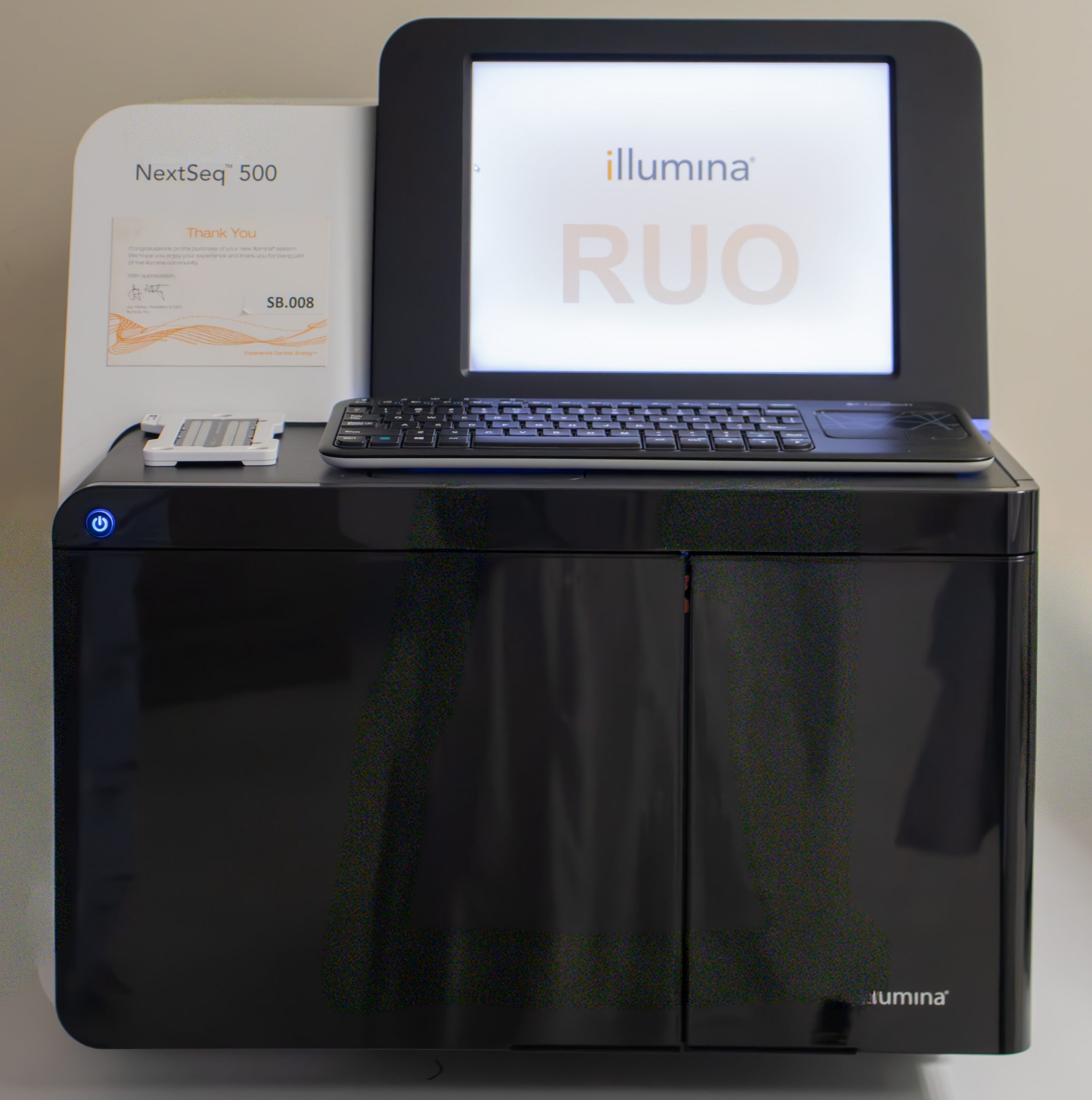
The Illumina NextSeq 500 System has the power and flexibility to perform applications such as whole-exome sequencing, small genome sequencing, RNA-Seq, and methylation sequencing.
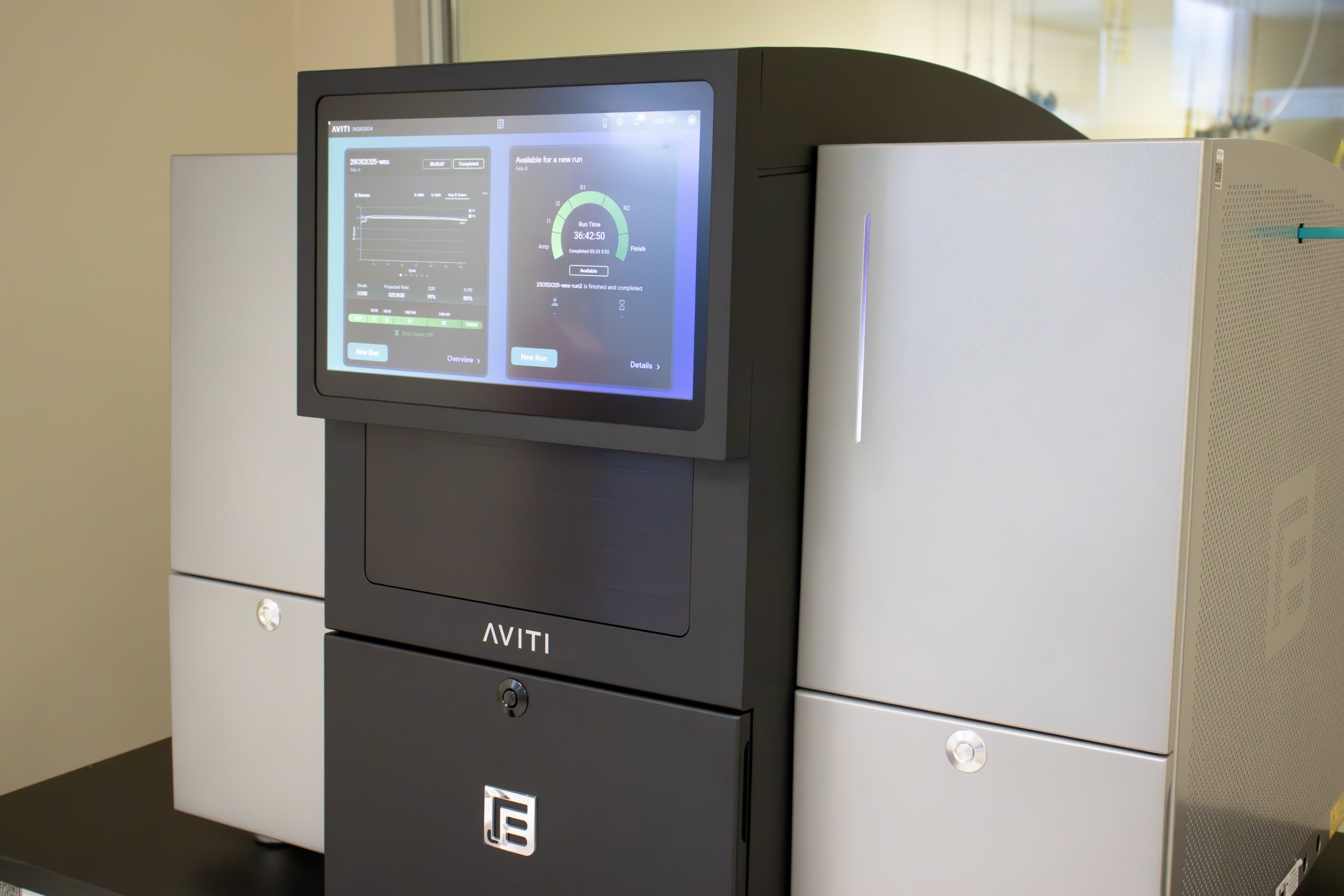
AVITI next-generation sequencing technology offers new opportunities to researchers with its read capacity of up to 2 billion.
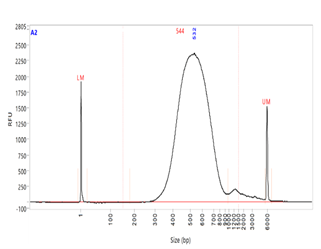
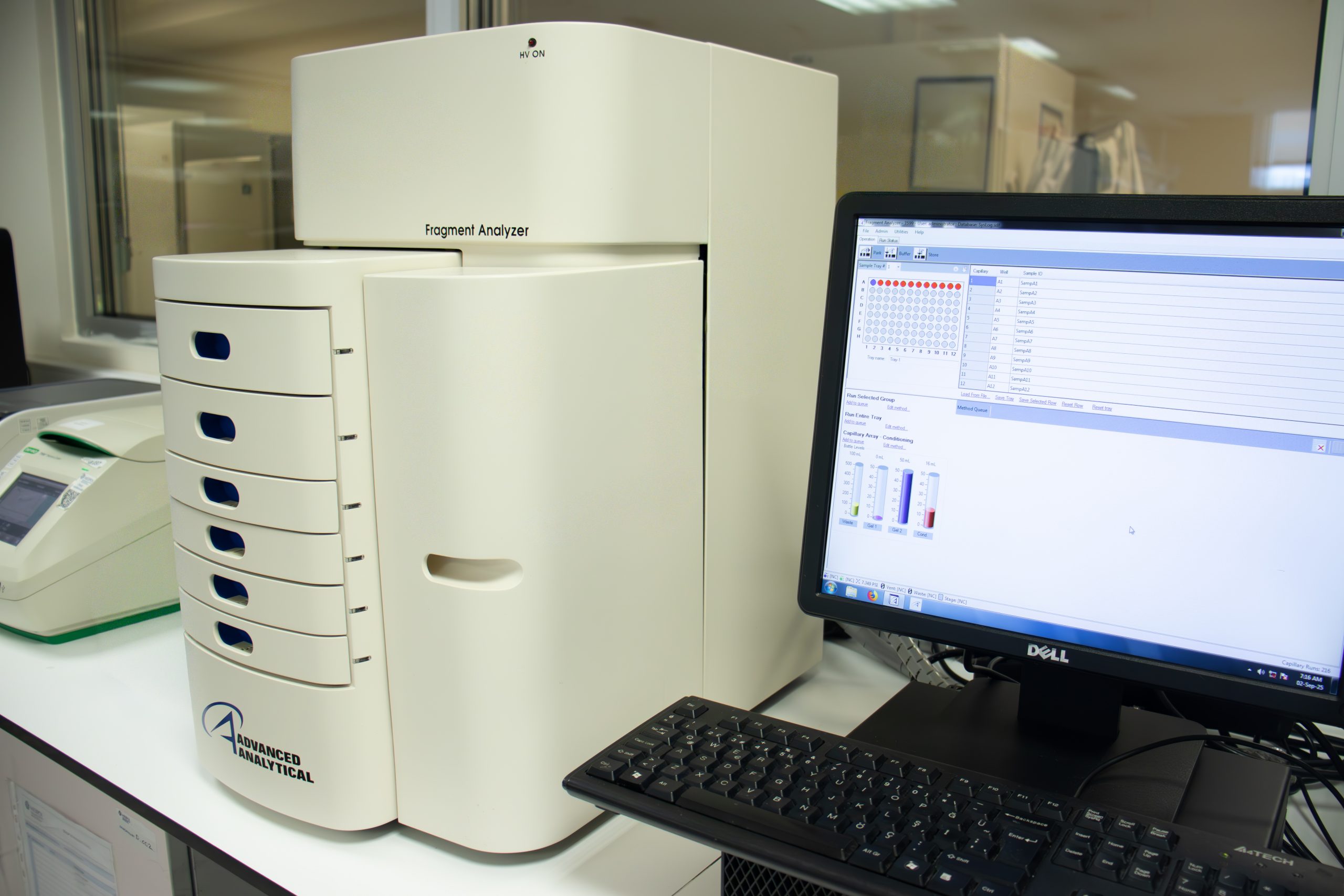
“The Fragment Analyzer systems use automated parallel capillary electrophoresis to deliver accurate and reliable quality control (QC) of nucleic acids.”
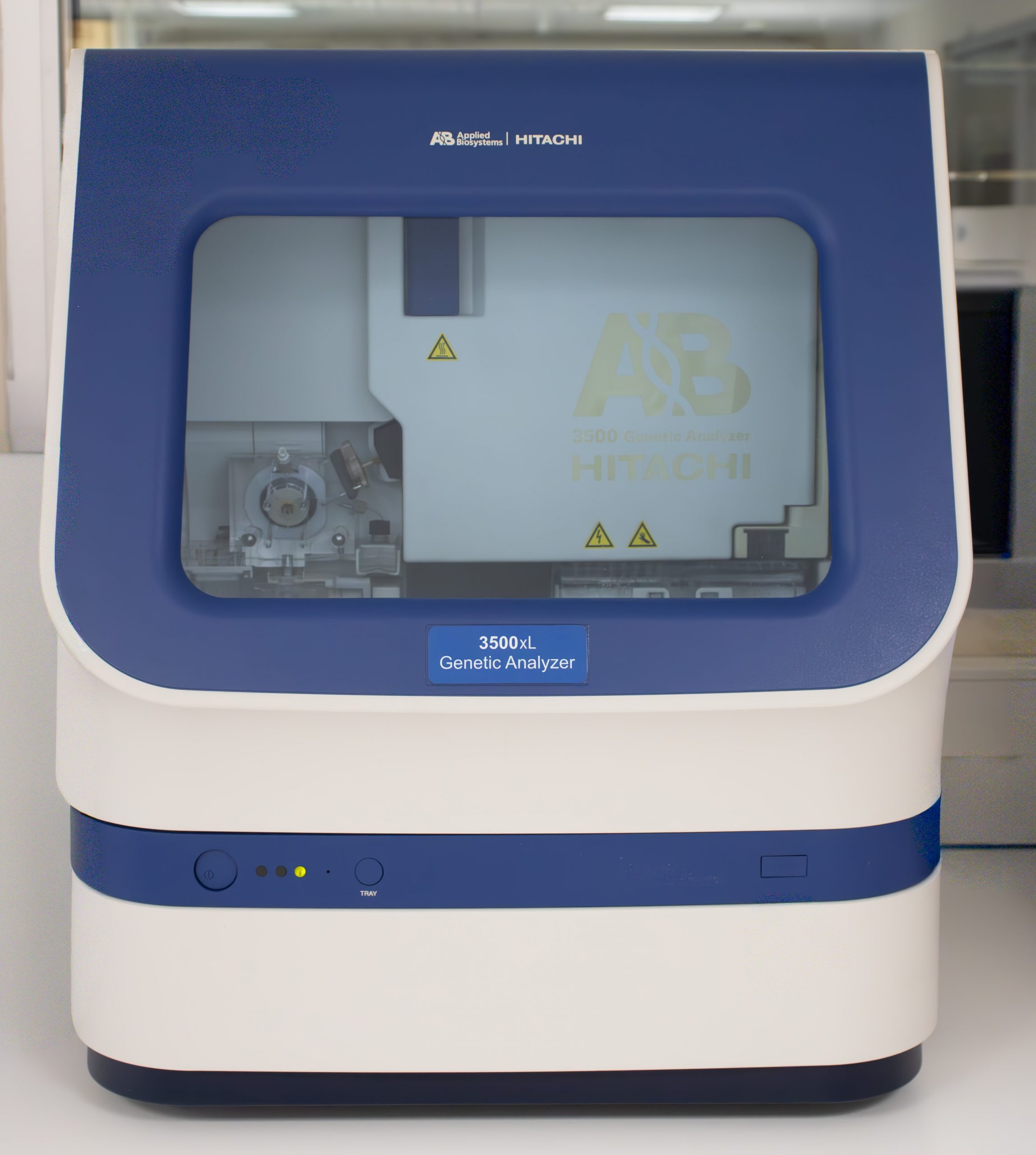
The 3500 platform can run a wide variety of Sanger sequencing and fragment analysis applications, including de novo sequencing and resequencing (mutational profiling), microsatellite analysis, MLPA, AFLP, LOH, and SNP validation or screening.
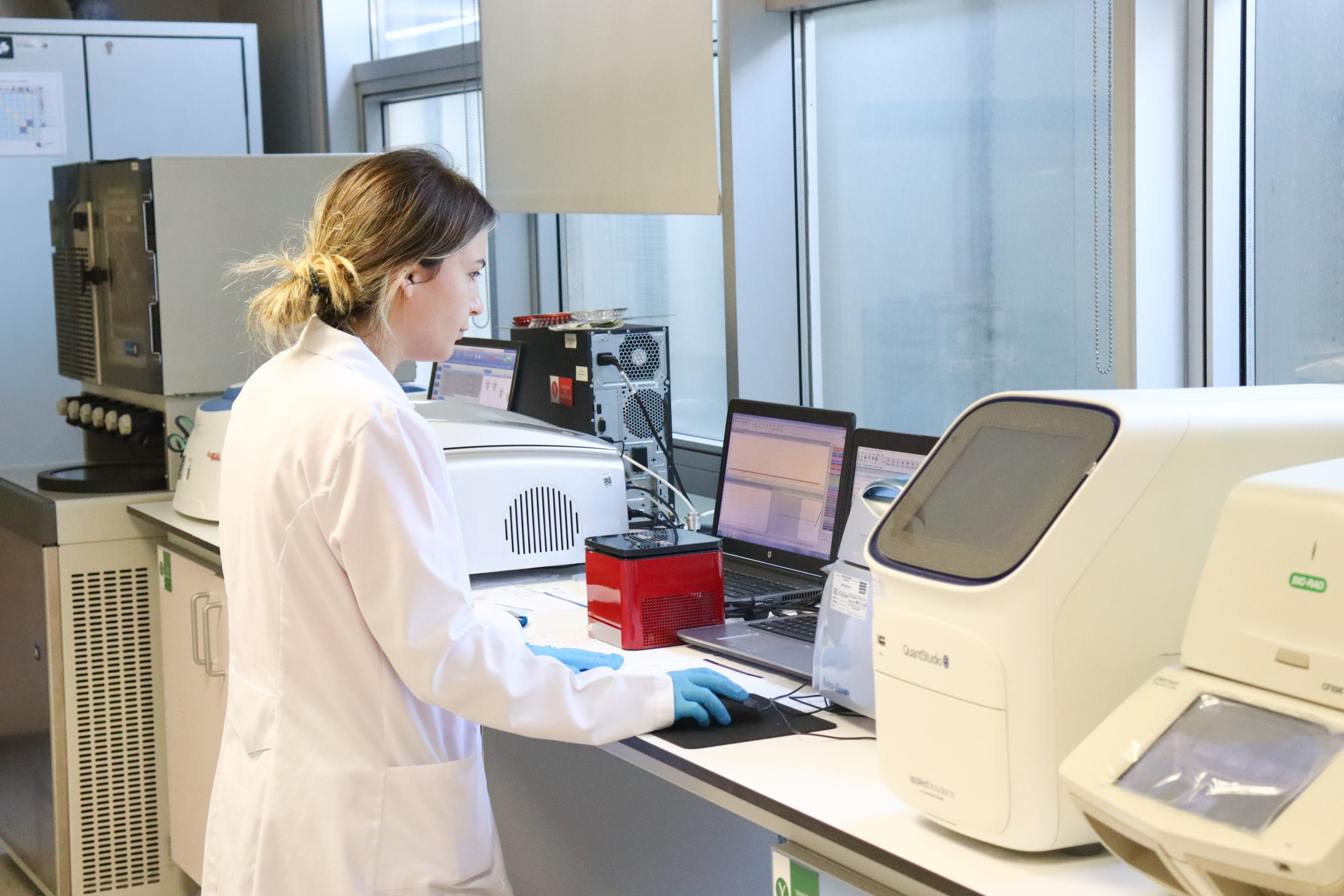
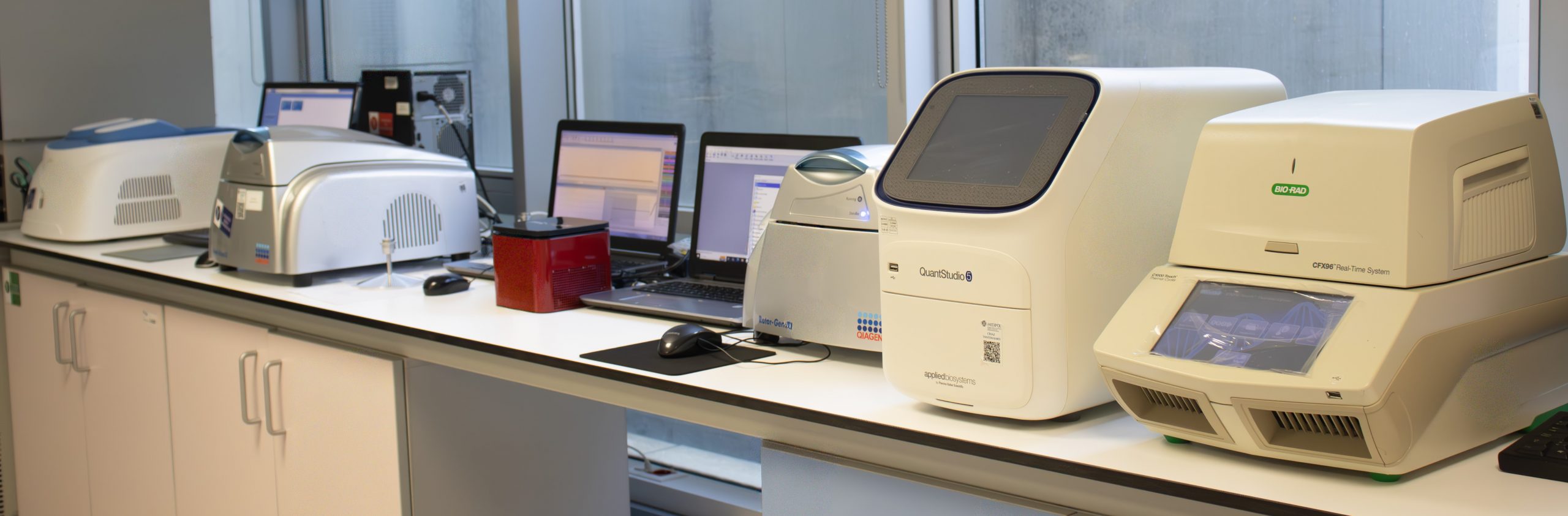
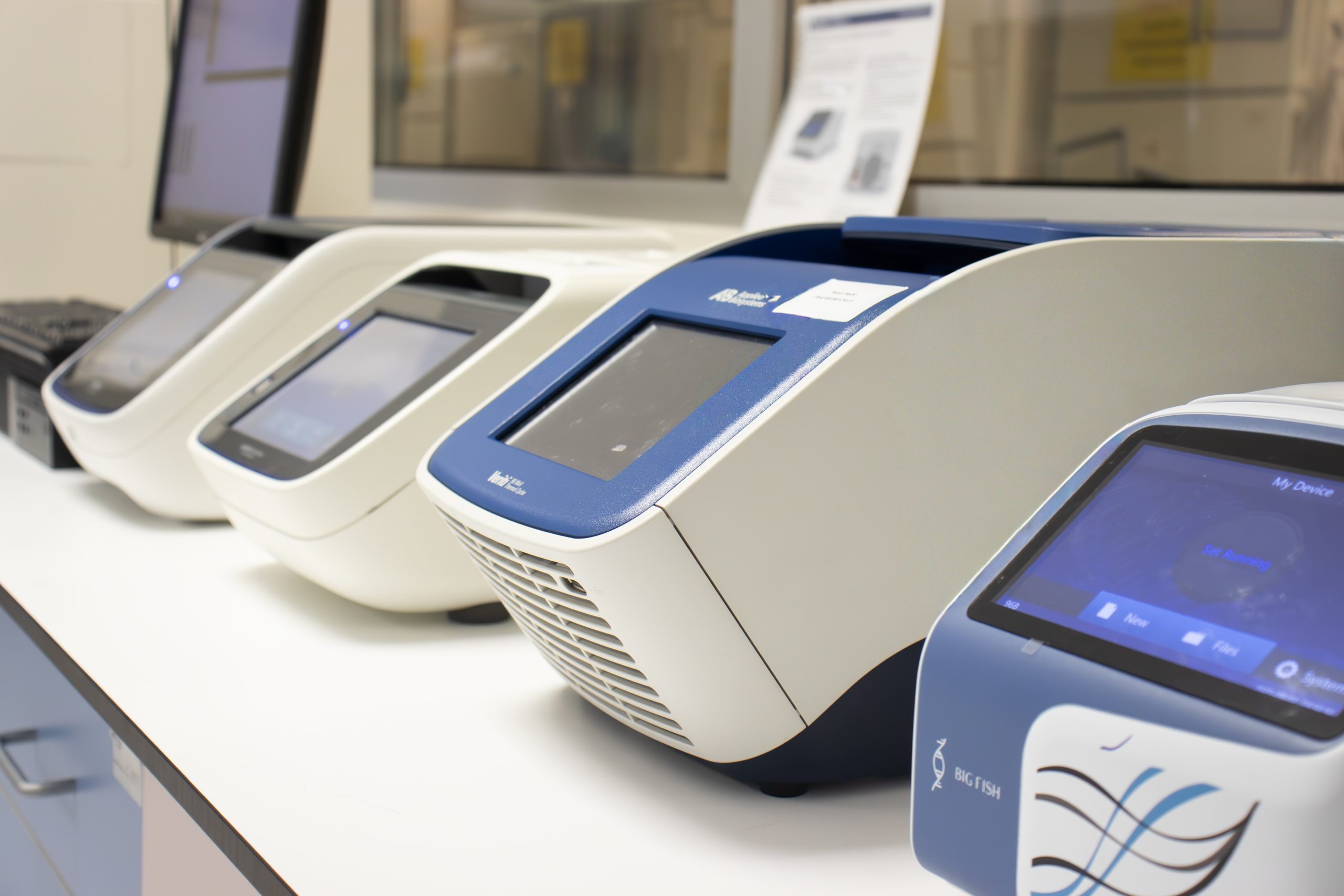
RT-PCR systems offer significant capabilities for quantification during library preparation stages. These systems are used particularly for concentration determination of libraries constructed from low-yield samples.
Erdal Fırat Çaralan received a B.S. degree in Biologist from İstanbul University. He then earned his MSc. degree in Biochemistry at the İstanbul Medipol University. He worked as a molecular genetics laboratory manager at İstanbul Medipol University Genetic Diseases Assessment Center.
Fırat Çaralan is currently working as an OMICS Unit/Genomics Laboratory Manager at SABITA (Research Institute for Health Sciences and Technologies). His main working area is Next Generation Sequencing applications, such as RNA-Seq, DNA-Seq, metagenomics, small-RNA seq.