

SABITA Research Highlights | September 2026
Recent publications from SABITA researchers highlight advances
across neuroscience, biomedical science, and translational research.
International Study Reveals Patterns in Kidney Stone Treatment Practices Across Genders
Does physician gender influence how kidney stones are evaluated and treated?
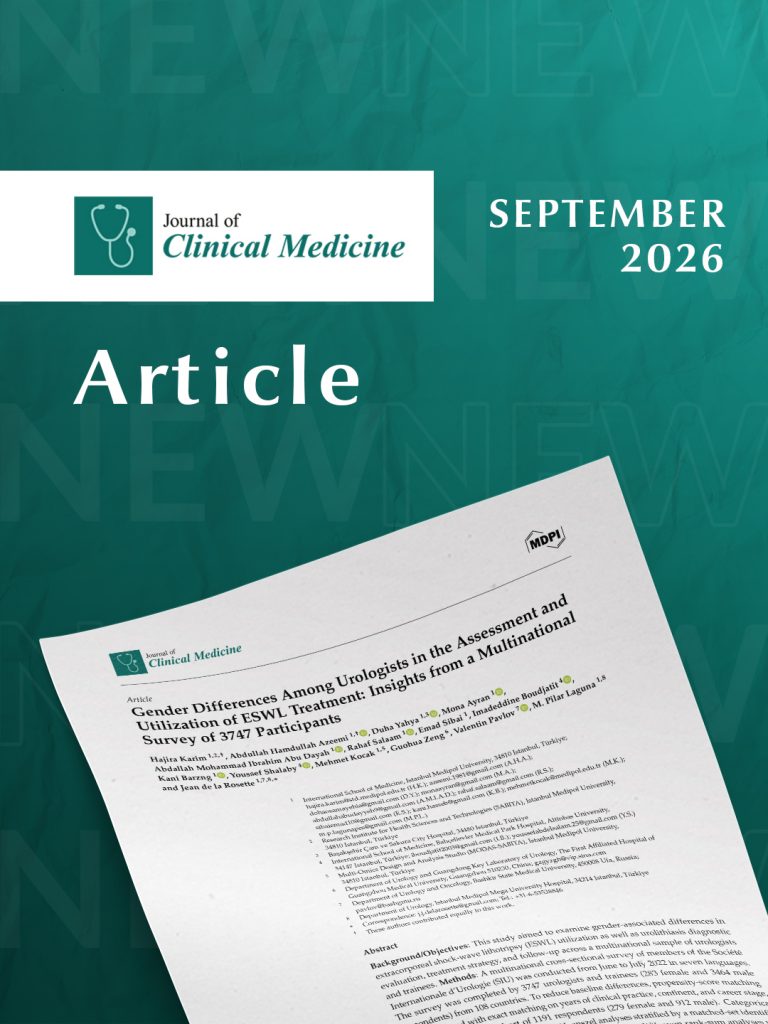
A multinational study published in the Journal of Clinical Medicine examined gender-associated differences in clinical practices related to extracorporeal shock-wave lithotripsy (ESWL), a non-invasive treatment that uses shock waves to break urinary stones into smaller fragments.
Drawing on survey responses from 3,747 urologists and trainees across 108 countries, the study investigated variations in treatment approaches, diagnostic assessments, procedural preferences, and follow-up practices. To account for differences in professional experience, career stage, age, and geographic location, researchers conducted a matched analysis involving 1,191 respondents.
The findings revealed that most ESWL-related practices were similar between female and male urologists. No statistically significant differences were identified in ESWL procedural volume, post-treatment imaging, or the evaluation of contraindications and special clinical scenarios. However, differences emerged in the reported annual volumes of other urological procedures, including ureterorenoscopy and percutaneous nephrolithotomy.
A limited number of ESWL-related practices also varied, including coupling-gel use, reported importance assigned to selected laboratory assessments, and preferences regarding repeat treatment within seven days. These differences may reflect broader influences such as clinical training, procedural experience, institutional protocols, and access to resources rather than physician gender alone.
The study highlights the importance of understanding variation in clinical practice without equating these differences with treatment quality or clinical competence. As the findings are based on self-reported survey responses and exploratory analyses, further research is needed to determine whether the observed patterns are reproducible and how they relate to patient outcomes.
By examining clinical practices across diverse healthcare settings, the research contributes to a broader understanding of kidney stone management and supports continued investigation into standardized training and evidence-based clinical care.
SABITA Researchers: Mehmet Koçak , Hajira Karim
*This study was conducted in collaboration with researchers from international partner institutions. Full author list available in the original publication.
Ferroptosis and Immunity: Exploring the Role of Iron-Dependent Cell Death in Disease
What happens when a form of cell death driven by iron and oxidative stress begins to influence the immune system?
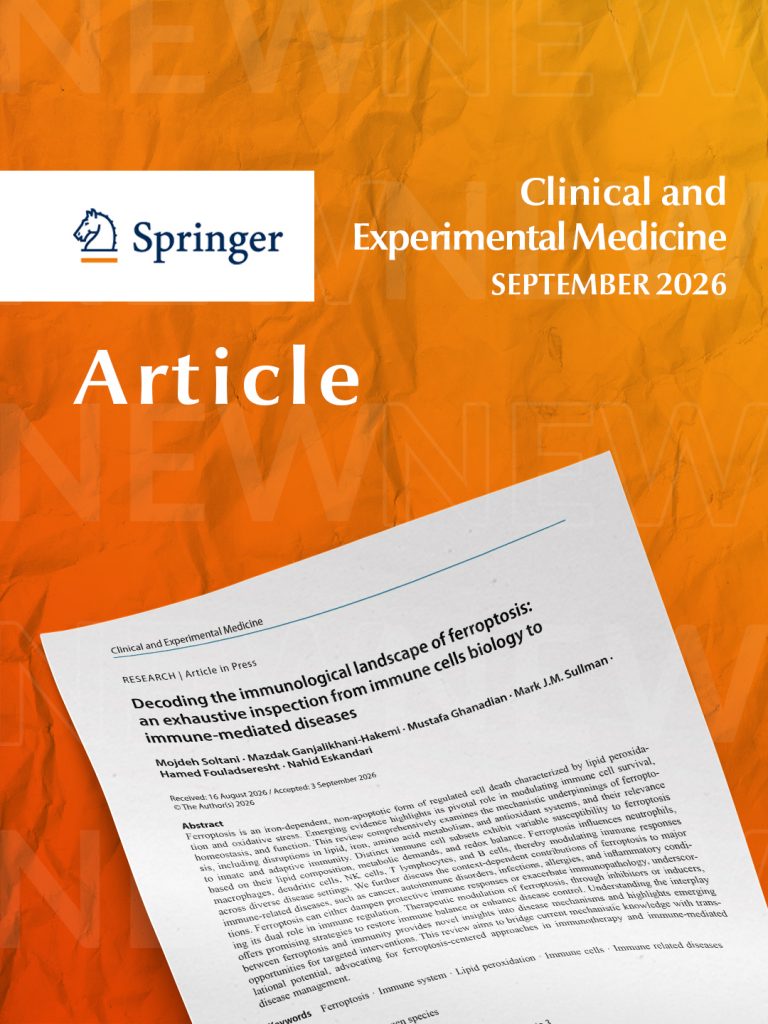
A review published in Clinical and Experimental Medicine explores the complex relationship between ferroptosis and immunity, highlighting how this regulated form of cell death may shape immune responses across a wide range of diseases.
Unlike apoptosis, ferroptosis is characterized by iron-dependent lipid peroxidation, a process in which oxidative damage accumulates in cell membranes. Its regulation involves interconnected pathways controlling iron metabolism, lipid metabolism, amino acid availability, and antioxidant defenses, particularly the glutathione–GPX4 system.
The review brings together evidence showing that immune cells respond differently to ferroptosis. Neutrophils, macrophages, dendritic cells, natural killer cells, and T and B lymphocytes exhibit distinct vulnerabilities depending on their metabolic requirements and antioxidant capacity. These differences can influence immune cell survival, inflammatory activity, antigen presentation, and the body’s ability to respond to infections and tumors.
One of the central insights is the dual role of ferroptosis in cancer immunity. While inducing ferroptosis in tumor cells may support anti-cancer strategies, ferroptosis in immune cells can weaken protective responses. For example, excessive lipid oxidation may impair the functions of cytotoxic T cells and natural killer cells, potentially limiting their ability to recognize and eliminate cancer cells.
Beyond cancer, the review examines evidence linking ferroptosis to autoimmune disorders, including systemic lupus erythematosus, rheumatoid arthritis, multiple sclerosis, and inflammatory bowel disease. It also discusses its potential involvement in allergic reactions, infectious diseases, and tissue damage associated with inflammation.
These findings point toward an important challenge for future therapeutic development: targeting ferroptosis selectively. Rather than simply activating or inhibiting this cell death pathway, potential interventions may need to account for the specific immune cell types and disease environments involved.
By connecting molecular mechanisms with findings across immune-related diseases, the review provides a broader framework for understanding ferroptosis as a regulator of immunity and an emerging area of investigation for targeted therapeutic approaches. Further experimental and clinical research will be essential to establish how these mechanisms can be safely and effectively translated into treatments.
SABITA Researcher: Mazdak Ganjalikhani Hakemi
*This study was conducted in collaboration with researchers from national partner institutions.
https://link.springer.com/article/10.1007/s10238-026-02321-1
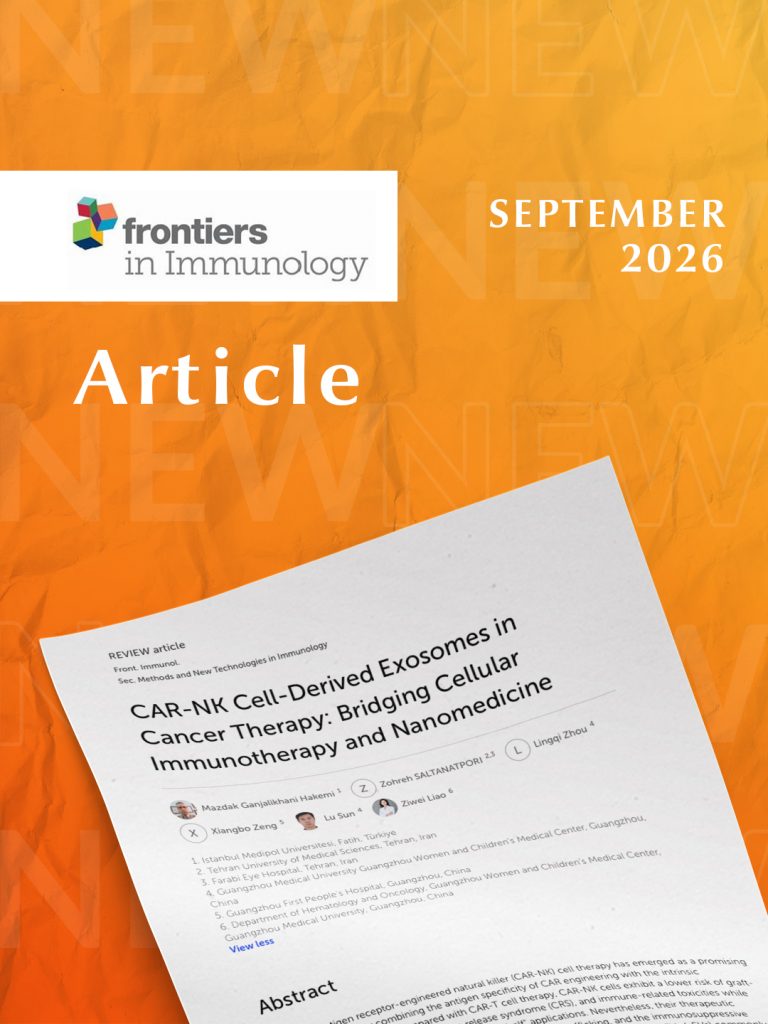
CAR-NK Cell-Derived Exosomes: Exploring a Cell-Free Approach to Cancer Immunotherapy
Can the cancer-fighting properties of engineered immune cells be harnessed without administering the cells themselves?
A review published in Frontiers in Immunology explores the emerging potential of extracellular vesicles derived from chimeric antigen receptor-engineered natural killer (CAR-NK) cells as a cell-free approach to cancer immunotherapy.
CAR-NK cells are engineered to recognize specific targets on cancer cells while retaining the natural cytotoxic functions of natural killer cells. Although this approach offers promising opportunities for cancer treatment, its effectiveness can be limited by insufficient cell persistence, difficulties reaching tumor sites, and the immunosuppressive tumor microenvironment.
The review focuses on small extracellular vesicles (sEVs), commonly referred to as exosomes, released by CAR-NK cells. These nanoscale particles can carry biologically active molecules, including proteins and nucleic acids, and may retain tumor-targeting and cytotoxic properties associated with their parent cells. Their cell-free nature could also offer potential advantages in tissue penetration, therapeutic delivery, and biological stability.
Emerging preclinical evidence suggests that CAR-NK-derived vesicles may directly affect tumor cells while influencing the surrounding tumor microenvironment. By combining the targeting capabilities of engineered immune cells with the delivery potential of nanoscale vesicles, this approach represents an emerging direction at the intersection of cellular immunotherapy and nanomedicine.
However, translating these findings into clinical applications remains challenging. The review identifies several important barriers, including large-scale manufacturing, vesicle heterogeneity, standardized characterization, efficient therapeutic cargo loading, and the need to better understand how these particles are distributed and processed in the body.
The findings highlight the potential of CAR-NK-derived extracellular vesicles as a platform for future cancer immunotherapy research. Further studies are needed to establish their safety, pharmacological properties, and therapeutic effectiveness before clinical applications can be considered.
SABITA Researchers: Mazdak Ganjalikhani Hakemi
*This study was conducted in collaboration with researchers from national partner institutions.
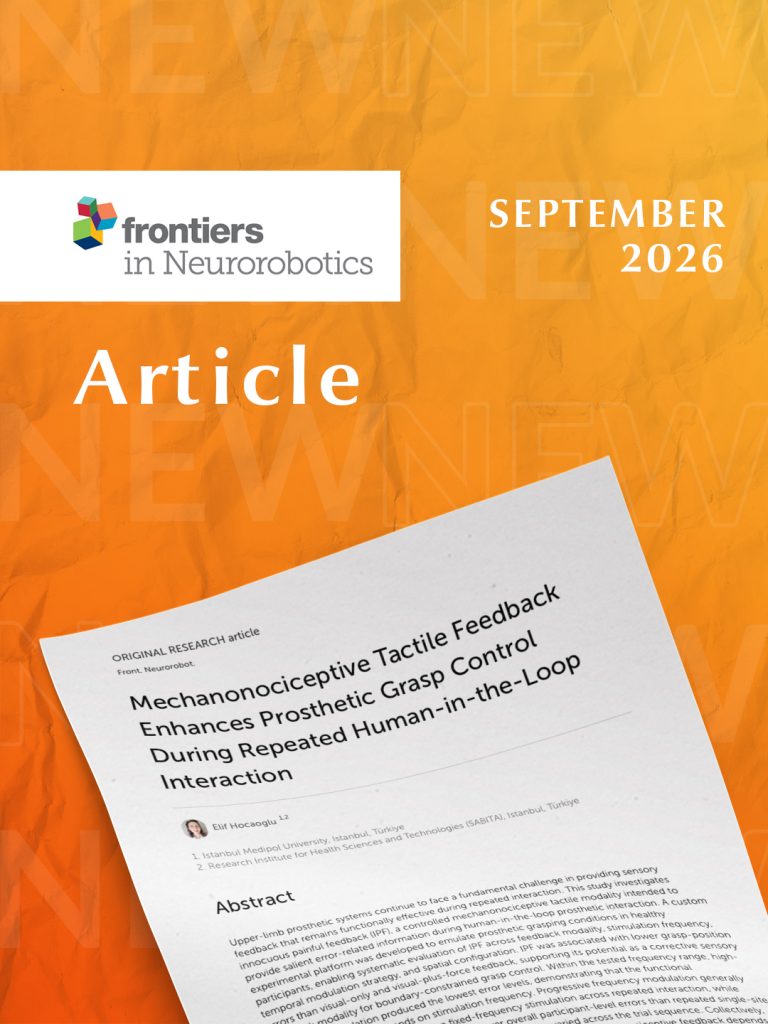
Tactile Feedback Improves Grasp Control in a Virtual Prosthetic Hand ExperimentTactile Feedback Improves Grasp Control in a Virtual Prosthetic Hand Experiment
How can a prosthetic hand communicate when a grasping movement needs to be corrected?
A study published in Frontiers in Neurorobotics investigates a tactile feedback approach designed to provide users with clear sensory information during repeated grasping tasks. The research focuses on innocuous painful feedback (IPF), a controlled mechanonociceptive stimulation method intended to signal movement errors without causing harmful pain.
Using a custom experimental platform that simulated prosthetic grasping conditions, the study evaluated how different sensory feedback strategies influenced grasp-position accuracy in healthy participants. The researchers compared IPF with visual-only feedback and combined visual and force feedback, while also examining the effects of stimulation frequency, timing, and spatial configuration.
The findings showed that IPF was associated with lower grasp-position errors than the other tested feedback conditions. Higher-frequency stimulation produced the lowest errors within the evaluated range, suggesting that stimulation parameters play an important role in the effectiveness of tactile feedback.
The study also examined how feedback could be organized during repeated interaction. Progressively changing stimulation frequency generally maintained lower error levels than fixed-frequency stimulation, while sequential stimulation at two locations resulted in lower overall participant-level errors than repeated stimulation at a single location.
These results suggest that effective sensory feedback depends not only on the type of stimulation delivered, but also on how it is distributed over time and across the body. Such insights could inform the design of feedback systems that help users recognize and correct grasping errors more effectively.
As a proof-of-concept investigation conducted with neurologically intact participants in a virtual prosthetic-like environment, the study represents an early step toward potential applications in upper-limb prosthetics. Further research involving individuals with limb loss and physical prosthetic devices will be necessary to determine its practical and clinical relevance.
SABITA Researchers and Corresponding Author: Elif Hocaoğlu
*This study was conducted in collaboration with researchers from national partner institutions.
https://www.frontiersin.org/journals/neurorobotics/articles/10.3389/fnbot.2026.1910158/abstract
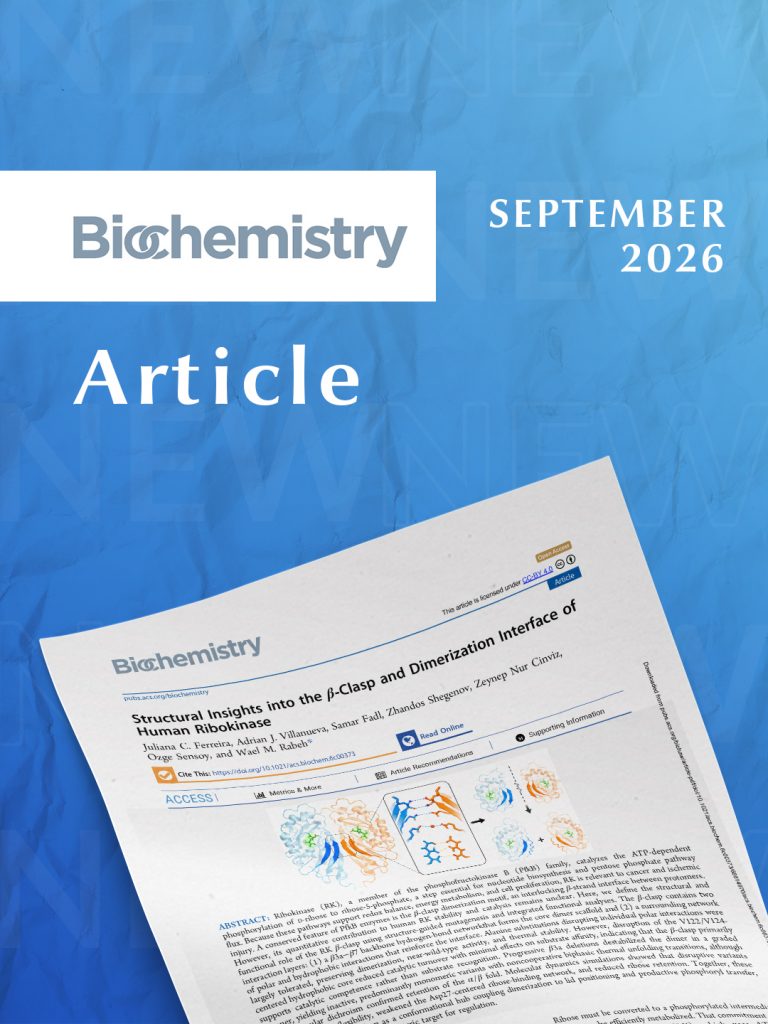
How Protein Structure Controls Enzyme Activity: New Insights into Human Ribokinase
How does the three-dimensional structure of an enzyme determine its ability to function?
A study published in Biochemistry investigates the structural mechanisms that regulate human ribokinase, an enzyme involved in converting ribose into ribose-5-phosphate, a molecule essential for nucleotide biosynthesis and cellular metabolism.
Ribokinase functions as a dimer, consisting of two protein subunits connected through a specialized structural region known as the β-clasp. Although this interface is conserved among related enzymes, its contribution to ribokinase stability and catalytic activity has remained incompletely understood.
Combining structure-guided mutagenesis, biochemical analyses, thermal stability measurements, and molecular dynamics simulations, the research examined how specific changes within the β-clasp influence enzyme function.
The findings revealed that not all structural interactions contribute equally to ribokinase activity. Disrupting several individual polar interactions had little effect on enzyme performance. In contrast, altering a hydrophobic region involving residues V122 and V124 substantially reduced catalytic turnover, while leaving substrate affinity largely unchanged.
More extensive modifications to the β-clasp disrupted the interaction between the enzyme’s two subunits and abolished catalytic activity, even though the overall protein fold was largely preserved. Molecular dynamics simulations further indicated that these structural changes increased local flexibility and weakened the interactions required to maintain ribose within the catalytic site.
Together, the results demonstrate that the β-clasp acts as more than a structural connection. It helps coordinate the conformational changes required for efficient catalysis, linking enzyme assembly to biochemical function.
By identifying this interface as a potential site for allosteric regulation, the study provides a molecular foundation for future investigations into how ribokinase activity might be selectively modulated. Such research may be relevant to understanding metabolic pathways associated with cellular proliferation and stress responses, although therapeutic applications remain to be established.
SABITA Researcher: Özge Şensoy
*This study was conducted in collaboration with researchers from national and international partner institutions. Full author list available in the original publication.
https://pubs.acs.org/bichaw/article/doi/10.1021/acs.biochem.6c00373/5436263
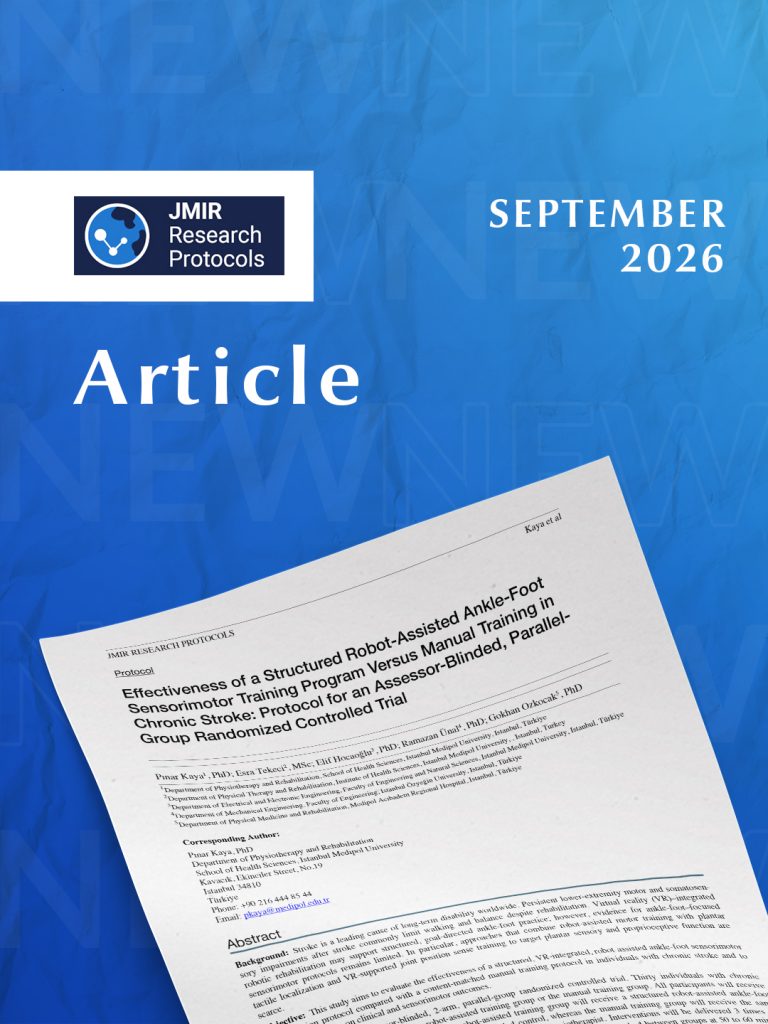
Robotics and Virtual Reality in Stroke Rehabilitation: A New Clinical Trial Protocol
Can Robotics and Virtual Reality Improve Walking Rehabilitation After Stroke?
A new clinical trial protocol published in JMIR Research Protocols outlines an approach combining robotic ankle-foot training, virtual reality, and sensory feedback to investigate improvements in walking and balance among people living with chronic stroke. Recovering the ability to walk confidently after a stroke involves more than rebuilding muscle strength. Sensory perception, joint position awareness, and coordinated ankle movements also play essential roles in maintaining balance and mobility.
A study protocol published in JMIR Research Protocols introduces a structured rehabilitation program designed to address these interconnected functions through robot-assisted ankle-foot training.
The proposed intervention uses BalanSENS, a robotic rehabilitation system that integrates controlled ankle movements, plantar sensory stimulation, and interactive virtual reality exercises. The system can adjust assistance and training difficulty according to individual performance, supporting a personalized approach to rehabilitation.
To evaluate its effectiveness, the researchers have designed an assessor-blinded randomized controlled trial comparing robot-assisted training with a structured manual rehabilitation program. Participants in both groups will receive conventional rehabilitation alongside their assigned ankle-foot training over six weeks.
The study will primarily assess changes in walking speed, while also examining walking endurance, ankle mobility, sensory perception, balance, motor performance, and stroke-specific quality of life. An important feature of the research is its integration of sensory and motor training within a single rehabilitation protocol. By combining plantar tactile localization, joint position awareness, and active ankle movement, the program aims to investigate whether technology-supported training offers additional benefits beyond comparable therapist-delivered exercises.
Supported by TÜBİTAK’s 1002-A Rapid Support Program, the trial began recruiting participants in March 2026. Its findings are expected to contribute to the development of more standardized and individualized rehabilitation strategies for people with chronic stroke.