

SABITA Research Highlights | January 2026
Advancing Science Across Disciplines in Leading Q1 Journals
SABITA researchers continue to contribute to this landscape with a series of recent publications in leading Q1 journals, spanning neuroscience, molecular biology, redox chemistry, and translational cancer research.
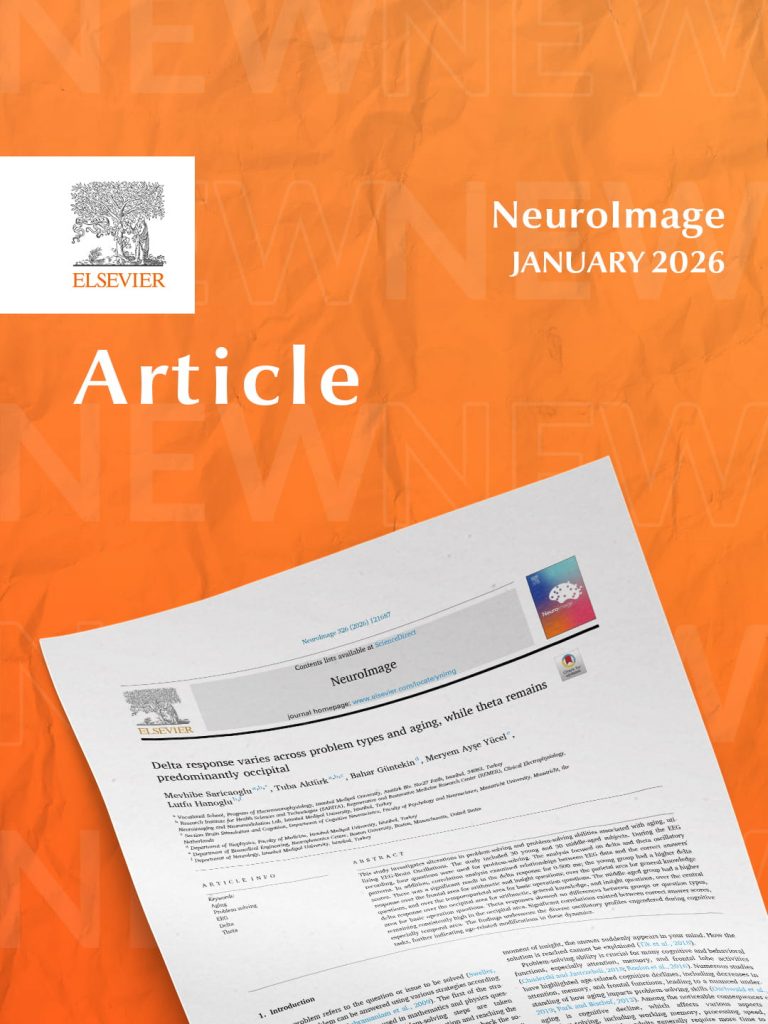
Delta response varies across problem types and aging, while theta remains predominantly occipital
SABITA researchers have published a new study in NeuroImage (Q1) exploring how the brain supports different problem-solving strategies across adulthood. Comparing young and middle-aged adults, the research examined brain activity while participants solved arithmetic, general knowledge, insight, and basic operation tasks. The findings show that brain activity patterns shift depending on both age and the type of problem being solved. Younger adults displayed stronger early frontal activity linked to flexible reasoning, whereas middle-aged adults showed greater involvement of posterior brain regions, suggesting adaptive neural reorganization.
These results demonstrate that cognitive aging is not simply a process of decline but reflects dynamic changes in how the brain organizes problem-solving. By identifying brain activity patterns associated with different strategies, the study contributes to a clearer understanding of how cognitive performance is maintained across the lifespan.
SABITA Researchers: Mevhibe Saricaoğlu, Tuba Aktürk, Bahar Güntekin, Lütfü Hanoğlu
*This study was conducted in collaboration with researchers from international institutions. Full author list available in the original publication.
https://www.sciencedirect.com/science/article/pii/S1053811926000054
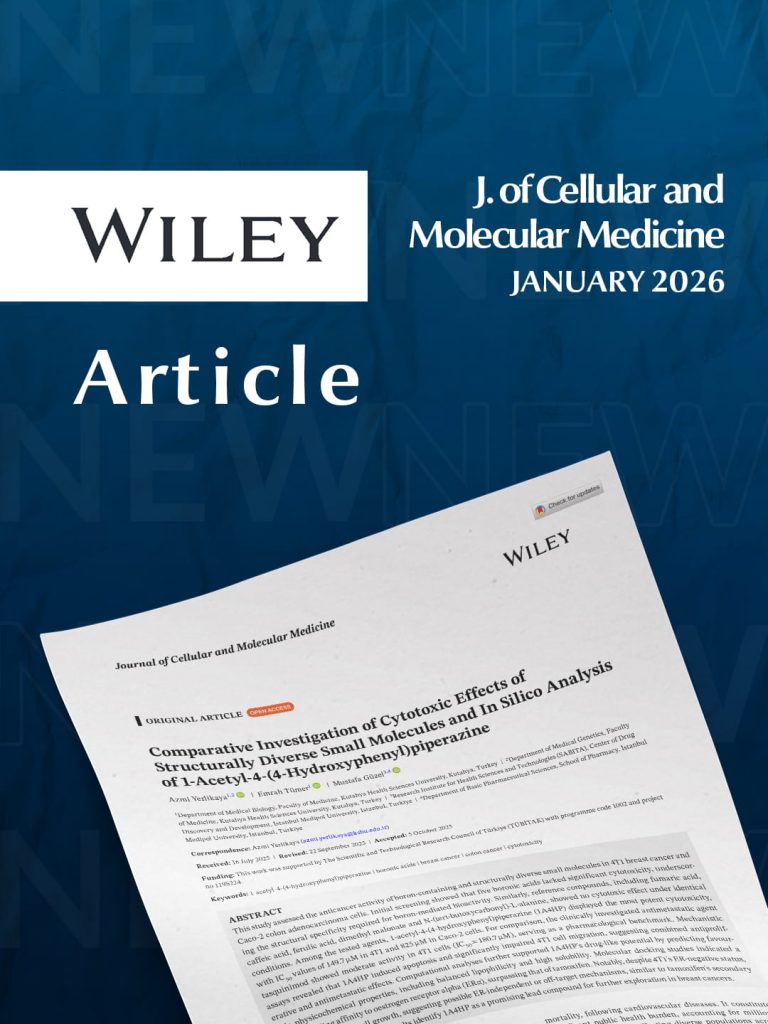
Comparative Investigation of Cytotoxic Effects of Structurally Diverse Small Molecules and In Silico Analysis of 1-Acetyl-4-(4-Hydroxyphenyl)piperazine
SABITA researchers have published a new study in the Journal of Cellular and Molecular Medicine (Q1) presenting a comparative investigation of the cytotoxic effects of structurally diverse small molecules. The study systematically evaluates how differences in chemical structure influence cellular responses, including cell viability, oxidative stress, and apoptosis, using in vitro cell culture models. By integrating cytotoxicity assays with mechanistic analyses, the research highlights how subtle structural variations can significantly alter biological activity.
The findings provide valuable insight into structure–activity relationships, contributing to a more precise understanding of how small molecules interact with cellular systems. This knowledge is critical for early-stage drug development, where identifying both therapeutic potential and safety profiles is essential. By clarifying the molecular determinants of cytotoxicity, the study supports the development of safer and more effective therapeutic candidates while strengthening the scientific foundation of cellular stress and toxicity research.
SABITA Researcher: Mustafa Güzel
*Full author list available in the original publication.
https://onlinelibrary.wiley.com/doi/epdf/10.1111/jcmm.70890
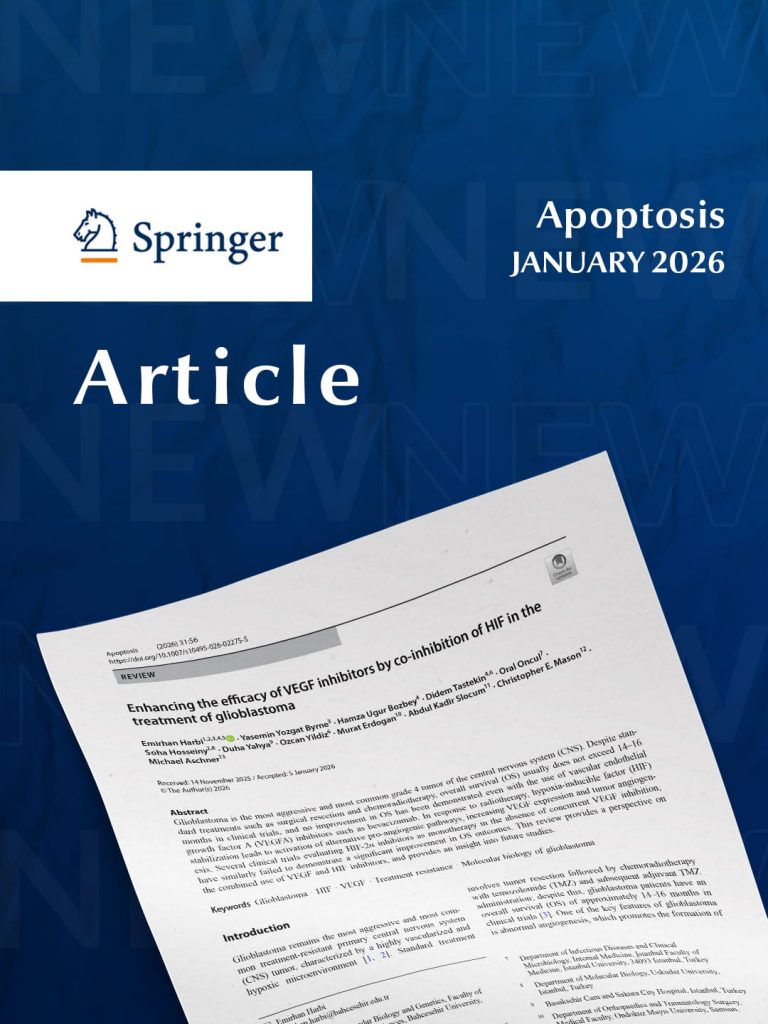
Enhancing the efficacy of VEGF inhibitors by co-inhibition of HIF in the treatment of glioblastoma
SABITA researchers have published a review in Apoptosis (Q1) addressing a critical challenge in glioblastoma treatment: why anti-angiogenic therapies have not led to meaningful improvements in overall survival. Although VEGF inhibitors can reduce tumor vascularization, clinical trials have not demonstrated a significant survival benefit. The study highlights a key biological explanation—radiotherapy increases tumor hypoxia, which activates hypoxia-inducible factors (HIFs) and subsequently re-stimulates angiogenic signaling pathways, including VEGF.
The authors propose that targeting VEGF alone may be insufficient, as HIF-driven adaptive mechanisms continue to support tumor survival and resistance. Instead, they outline a scientifically grounded strategy combining HIF and VEGF inhibition to overcome hypoxia-mediated treatment resistance. By integrating molecular biology, clinical trial data, and therapeutic rationale, this work offers a translational framework for designing more effective combination strategies in glioblastoma—one of the most aggressive and treatment-resistant brain tumors.
SABITA Researcher: Emirhan Harbi, Yasemin Yozgat Byrne
*This study was conducted in collaboration with researchers from international institutions. Full author list available in the original publication.
https://link.springer.com/article/10.1007/s10495-026-02275-5
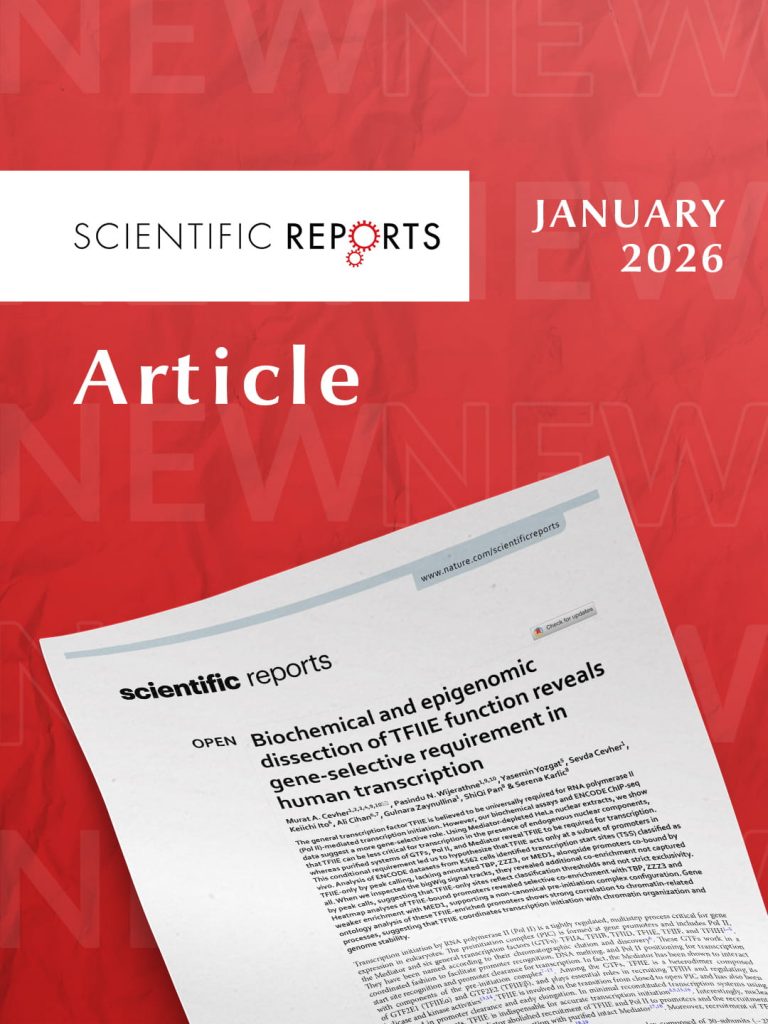
Biochemical and epigenomic dissection of TFIIE function reveals gene-selective requirement in human transcription
SABITA researchers have published a new study in Scientific Reports (Q1) investigating the molecular mechanisms underlying cellular stress responses and survival pathways. Through controlled in vitro experiments, the research analyzes how specific regulatory pathways influence cell viability, proliferation, and adaptive responses under stress conditions. By combining functional assays with molecular analyses, the study provides mechanistic insight into how cells regulate survival and maintain balance in challenging environments.
The findings contribute to a clearer understanding of cellular adaptation processes and highlight potential molecular targets for future therapeutic strategies. By advancing knowledge of stress-related signaling pathways, this work supports ongoing efforts to develop more precise and mechanism-driven treatment approaches in biomedical research.
SABITA Researcher: Yasemin Yozgat Byrne
*This study was conducted in collaboration with researchers from international institutions. Full author list available in the original publication.
https://link.springer.com/article/10.1007/s10495-026-02275-5
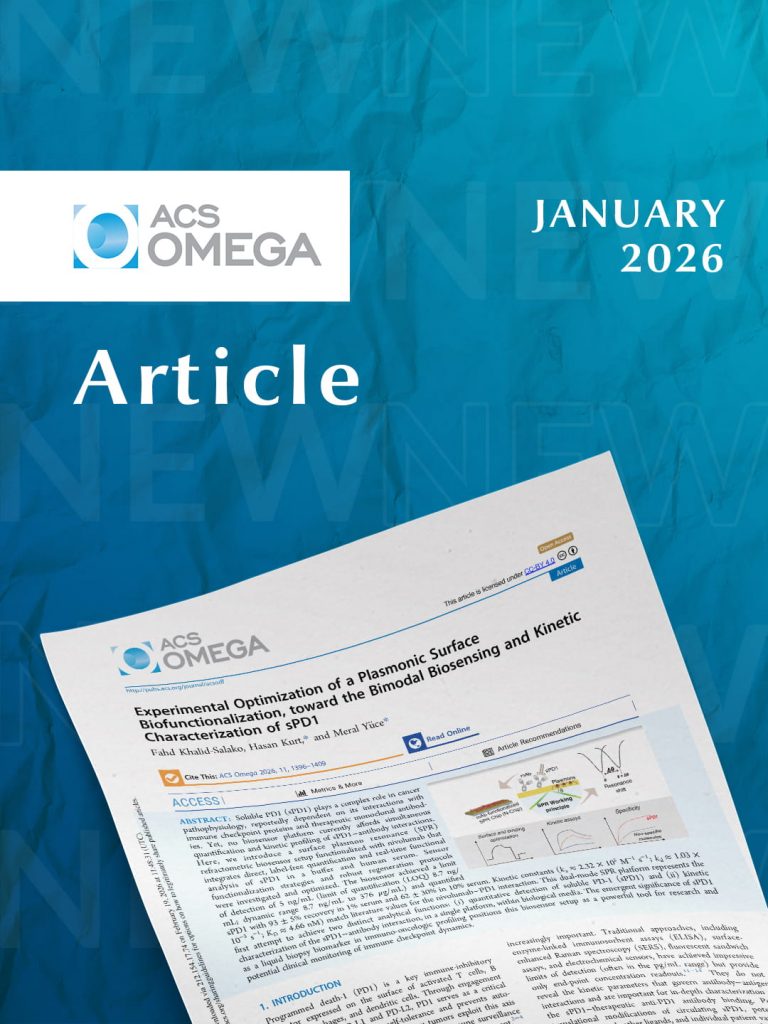
Experimental Optimization of a Plasmonic Surface Biofunctionalization, Toward the Bimodal Biosensing and Kinetic Characterization of sPD1
SABITA researchers have published a new study in a leading Q1 journal focusing on the experimental optimization of plasmonic surface biofunctionalization for bimodal biosensing and kinetic analysis. The study addresses a critical challenge in biosensor development: achieving stable, reproducible, and highly sensitive surface functionalization that enables accurate detection of biomolecular interactions. By systematically optimizing surface chemistry parameters on plasmonic platforms, the team enhanced both signal reliability and binding kinetics performance, enabling dual-mode sensing with improved analytical precision.
Through detailed experimental characterization and kinetic evaluation, the researchers demonstrated that fine-tuning biofunctionalization protocols significantly improves sensitivity, specificity, and reproducibility. These findings contribute to advancing plasmonic biosensor technologies and support the development of more robust diagnostic platforms. By strengthening the reliability of label-free detection systems, the study offers potential applications in early disease diagnostics, molecular interaction analysis, and next-generation biomedical sensing technologies.
SABITA Researcher: Hasan Kurt
*This study was conducted in collaboration with researchers from international institutions. Full author list available in the original publication.
https://pubs.acs.org/doi/10.1021/acsomega.5c08871
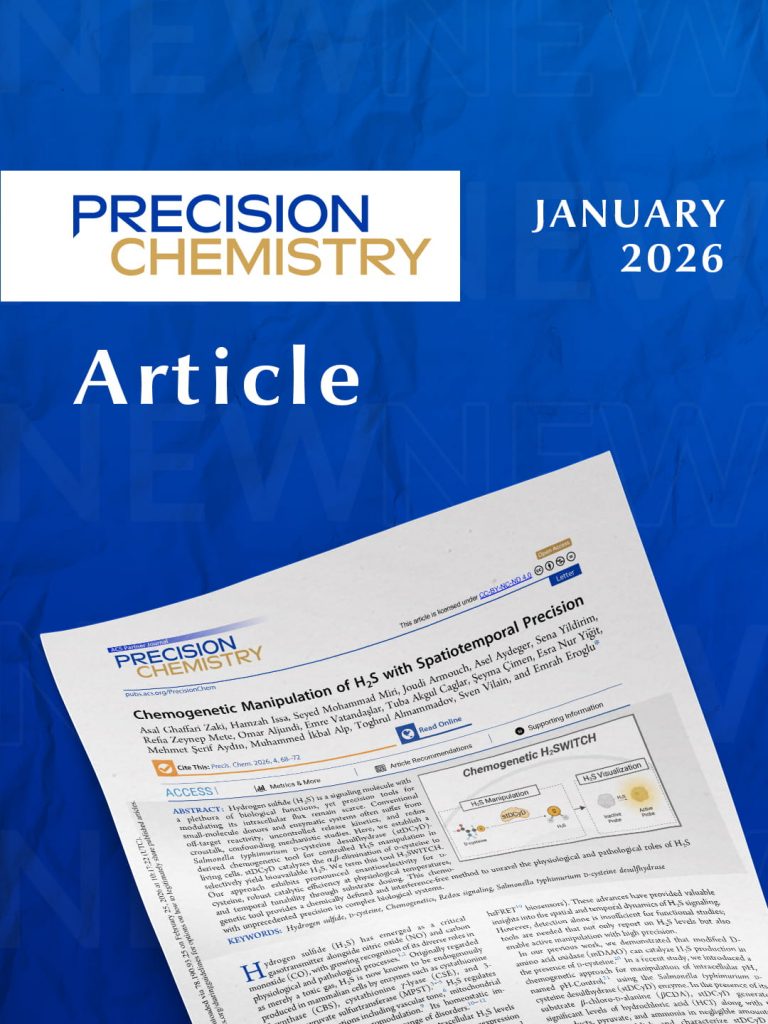
Chemogenetic Manipulation of H2S with Spatiotemporal Precision
SABITA researchers have published a cover article in Precision Chemistry (Q1) introducing H2SWITCH, a new chemogenetic platform that enables precise control of hydrogen sulfide (H₂S) inside living cells. H₂S is a key signaling molecule involved in processes such as mitochondrial function, vascular regulation, and cellular stress responses. However, existing methods to manipulate H₂S often lack specificity and temporal control, limiting the ability to study its exact biological roles.
H2SWITCH overcomes these limitations by allowing controlled and localized production of H₂S in response to a defined substrate, without triggering unwanted oxidative side effects. This approach provides researchers with a cleaner and more reliable way to test cause–effect relationships in H₂S signaling. By enabling spatially and temporally precise manipulation of this gasotransmitter, the study strengthens experimental standards in redox biology and opens new opportunities to investigate H₂S function in cardiovascular, cancer, and neurobiological contexts.
SABITA Researcher: Asal Ghaffari Zaki,, Hamzah Issa, Seyed Mohammad Miri, Joudi Armouch, Asel Aydeger, Sena Yıldırım, Refia Zeynep Mete, Omar Aljundi, Emre Vatandaslar, Tuba Akgul Caglar, Şeyma Çimen, Esra Nur Yiğit, Mehmet Şerif Aydın,, Muhammed İkbal Alp, Toghrul Almammadov, Sven Vilain, Emrah Eroglu
*This study was conducted in collaboration with researchers from international institutions. Full author list available in the original publication.
https://pubs.acs.org/doi/full/10.1021/prechem.5c00189
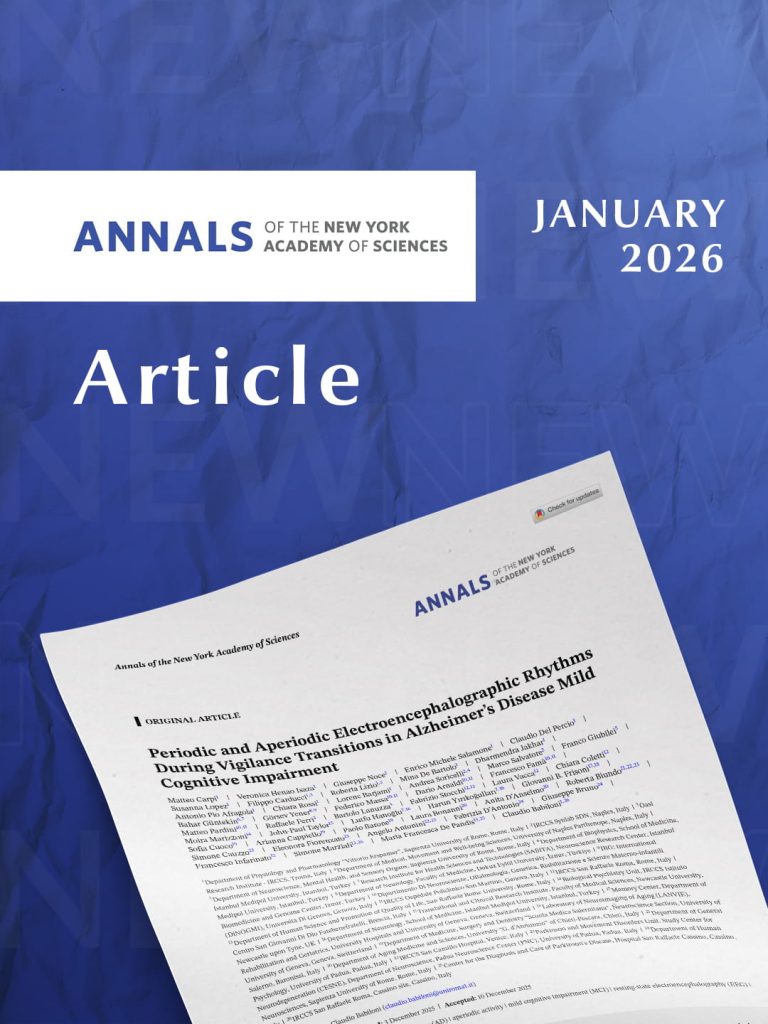
Periodic and Aperiodic Electroencephalographic Rhythms During Vigilance Transitions in Alzheimer’s Disease Mild Cognitive Impairment
SABITA researchers have published a study in Annals of the New York Academy of Sciences (Q1) investigating how the brain transitions between states of alertness and drowsiness. Rather than focusing only on traditional EEG frequency bands, the study examines both rhythmic brain activity and the underlying background signal that reflects overall neural activation. The findings show that changes in vigilance are marked by coordinated shifts in these signals, providing a more comprehensive picture of how the brain regulates arousal.
By refining how brain state transitions are measured, this research advances methodological standards in neuroscience and offers new insights into how alertness is maintained and disrupted. The study has potential implications for sleep research, attention monitoring, and clinical contexts where tracking vigilance is essential.