



Q-Lab/Frameworks
Interoceptive Memory
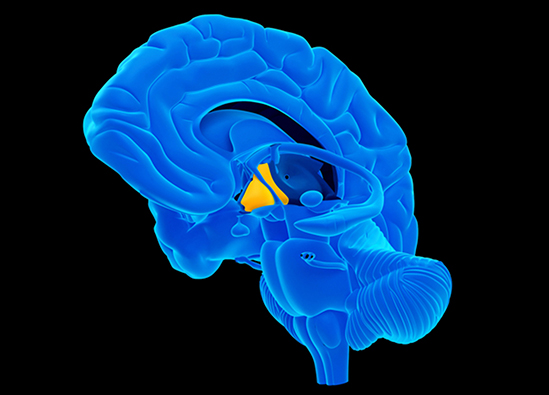
Our research group places interoceptive memory at the core of its scientific inquiry. This concept refers to the brain’s capacity to encode, store, and retrieve information about internal bodily states such as hunger, satiety, visceral pain, heart rate, and thermoregulation, and how these sensations shape perception, decision-making, and behavioral outcomes. We further examine how interoceptive memory contributes to the regulation of physiological processes including blood pressure control, cardiac rhythm, sleep-wake cycles, and appetite regulation, as well as sensory experiences like smell and taste.
Through a multidisciplinary approach combining systems neuroscience, physiology, and nutrition science, we use advanced tools such as fiber photometry, optogenetics, and circuit-specific behavioral assays to dissect the neural mechanisms of interoceptive processing. By aligning our research with the group’s main projects, we aim to generate translational insights into how these circuits are altered in conditions such as neurodegenerative diseases, metabolic disorders, and affective dysregulation.
Projects

Feeding & Metabolism
The “Feeding & Metabolism” framework explores the intricate relationship between nutritional regulation, metabolism, and neural mechanisms. Research includes the role of AgRP neurons in cognitive performance in Alzheimer’s models and the adaptive mechanisms in inhibitory neurocircuitry underlying metabolic and neuropsychiatric disorders. Studies also investigate astrocytes in the lateral hypothalamus, high-fat diet-induced genetic expression changes, and the impact of AgRP stimulation on metabolic profiles. Additionally, research focuses on redox signaling in AgRP cells, gut microbiota’s role in nutritional regulation, and the influence of Candida albicans on food preferences.
Projects
This project explores how artificial stimulation of AgRP neurons, transfected with light- or chemical-sensitive receptors, impacts learning and memory disorders in an Alzheimer's mouse model. It aims to identify the AgRP cell projections involved in cognitive improvements linked to nutrient restriction.
Neural circuits play a key role in understanding nervous system functions, but recent studies highlight the influence of surrounding CNS structures, particularly astrocytes, in modulating these functions. This project examines the impact of lateral hypothalamic astrocytes, which host secondary projection neurons, on the regulation of hunger and nutrition.
This project compares the gene expression profiles of AgRP and POMC neurons in mice under normal and high-fat diet conditions. By examining pathways such as endoplasmic reticulum stress, circadian signaling, and neuropeptides, it aims to identify mechanisms influenced by high-fat diets and explore potential therapeutic strategies.
This project examines how AgRP neuron stimulation in the arcuate nucleus, a key region regulating energy balance and metabolism, impacts metabolic and physiological responses. It aims to better understand obesity's underlying mechanisms and improve current treatment approaches.
This project explores how changes in Reactive Oxygen Species (ROS) levels in AgRP neurons, using a DAAO-based redox signaling technique, influence neuronal decision-making and feeding behavior. It aims to clarify the role of ROS in hypothalamic regulation of food intake and its underlying neural mechanisms.
This project explores the hormone-like effects of gut microbiota metabolites, such as short-chain fatty acids, on central metabolic neuronal pathways in the hypothalamus. Additionally, it investigates whether central neuronal mechanisms influence the composition and function of the gut microbiota, aiming to clarify the bidirectional relationship between the microbiota and metabolism regulation.
This project investigates how Candida albicans influences feeding behavior, particularly its impact on carbohydrate consumption and hedonic nutrition. By examining its interactions with other microbial species and potential effects on the nervous system, the study aims to clarify the link between Candida albicans colonization and food preferences.
Neurophysiology & Behavior
This framework examines the neural mechanisms behind behavior and physiological processes. Projects include the intergenerational transmission of taste memory and in vitro modeling of attention-deficit hyperactivity disorder. Investigations extend to the molecular and electrophysiological aspects of the dorsal raphe nucleus and BigLEN-GPR171 neuropeptidergic system. Another critical focus is the role of axo-ciliary connections in regulating the Shh signaling pathway in peripheral tissues.
Projects
This project investigates the intergenerational transfer of taste aversion memory induced by negative conditioning, aiming to provide insights into metabolic diseases like obesity and diabetes. Using lithium chloride to create taste aversion in male mice, the study will explore whether avoidance behavior is transmitted to their offspring, contributing to the understanding of inherited nutritional behaviors.
This project aims to develop an in vitro model for ADHD using neuron cultures and micro-electrode arrays (MEA). Such models will help elucidate the cellular and molecular mechanisms underlying ADHD and evaluate the effects of potential therapeutics.
This project investigates the molecular, electrophysiological, and behavioral interactions between the Dorsal Raphe Nucleus (DRN) and the BigLEN-GPR171 neuropeptidergic system, focusing on their roles in feeding behavior, anxiety, and depression.
This project explores how the circadian cycle influences tissue regeneration in axolotls, a model organism with extraordinary regenerative capacity, to better understand the connection between circadian rhythms and regeneration.
Neuroendocrinology
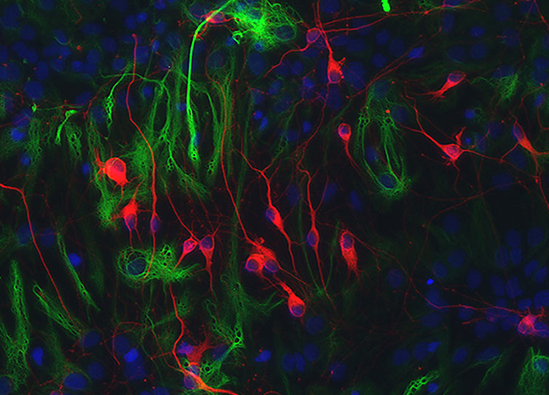
The framework highlights the intersection of neural circuits and hormonal regulation. Research addresses the effect of neurospecific stimulation of hypothalamic loops on cancer progression and metastasis. Studies also delve into hypothalamic control over thymus functions, offering insights into immune system regulation through neuroendocrine pathways.
Projects
This project explores the neuroendocrine and neural pathways connecting the hypothalamus and thymus, focusing on their role in regulating thymic function and T-lymphocyte development. By examining hypothalamic hormonal signals and sympathetic neural networks, the study aims to understand their influence on immune regulation and thymus activity.
Alzheimer’s Disease & Neurodegeneration
This framework investigates the complex dynamics of neurodegenerative disorders, particularly Alzheimer’s disease. Research includes the role of AgRP neurons in nutrition and cognitive performance and the therapeutic potential of insulin treatment, studied through 3D X-ray imaging. Other studies focus on volumetric and tractographic analysis of brain regions in Type 2 diabetes mellitus patients, linking metabolic health to neurodegeneration.
Projects
This project explores how artificial stimulation of AgRP neurons, transfected with light- or chemical-sensitive receptors, impacts learning and memory disorders in an Alzheimer's mouse model. It aims to identify the AgRP cell projections involved in cognitive improvements linked to nutrient restriction.
Using 3D X-ray phase contrast tomography, this project analyzes how insulin treatment affects Aβ plaque morphology and accumulation, aiming to uncover its role in mitigating Alzheimer's pathology.
This study examines volumetric and tractographic changes in brain regions with insulin receptors in Type 2 diabetes patients, aiming to elucidate the impact of insulin resistance on the central nervous system.
Circadian Rhythms & Regeneration
The framework explores the impact of biological cycles on regeneration and stress responses. Projects investigate how circadian rhythms influence tissue regeneration in axolotls and assess the effects of standard and physiological lighting on stress markers in mice. These studies aim to uncover the role of time-dependent biological processes in health and recovery.
Projects
This project explores how the circadian cycle influences tissue regeneration in axolotls, a model organism with extraordinary regenerative capacity, to better understand the connection between circadian rhythms and regeneration.
This project investigates how standard versus physiological lighting, mimicking sunrise and sunset, affects circadian rhythm, locomotor activity, and stress behavior in mice through behavioral tests.
Artificial Intelligence & Bionics
This framework merges advanced technology with neuroscience, focusing on artificial intelligence and bionics. Research includes developing an AI-assisted bionic olfactory discrimination system and in vitro modeling of attention-deficit hyperactivity disorder. These projects aim to bridge biological functions with artificial systems, enhancing understanding and applications in neurobiology.
Projects
This project aims to harness artificial intelligence and machine learning to overcome barriers in understanding and replicating the neurophysiological processes of smell perception. By defining measurable units of smell, the project seeks to drive revolutionary advancements in olfactory technologies and position the country as a leader in this field.
Neurocancer & Immunology
The framework examines the neural control of cancer and immune functions. Studies investigate the effect of neurospecific stimulation of hypothalamic loops on cancer progression and metastasis. Additionally, research focuses on hypothalamic regulation of thymus functions, providing insights into the interplay between neural circuits and immunological responses.
Projects
This project explores the neuroendocrine and neural pathways connecting the hypothalamus and thymus, focusing on their role in regulating thymic function and T-lymphocyte development. By examining hypothalamic hormonal signals and sympathetic neural networks, the study aims to understand their influence on immune regulation and thymus activity.