

InFocus / Sleep, Circadian Rhythms, and Physiological Dynamics in Brain Aging and Dementia
Prof. Kun Hu, from Massachusetts General Hospital, Harvard Medical School is going to be at InFocus on August 18, 2026 at 10:00 AM. The event will take place in person.
*Participants are required to complete the registration form.
Location: Istanbul Medipol University, South Campus / 2nd Floor, Conference Hall.
https://maps.app.goo.gl/PJRL36832zDRV9eh6
Registration: https://sabita.medipol.edu.tr/index.php/2024/12/25/infocus-form/
Sleep and circadian rhythms play fundamental roles in maintaining brain health throughout the lifespan. Growing evidence indicates that disturbances in sleep architecture, circadian timing, and physiological regulation are associated with cognitive decline, increased dementia risk, and progression of neurodegenerative disease. At the same time, advances in wearable sensors, sleep EEG technologies, and computational methods now enable continuous assessment of brain and physiological function in both laboratory and real-world settings, providing new opportunities to identify early markers of brain aging and disease vulnerability. A major focus of our work has been to investigate how sleep, circadian rhythms, and physiological dynamics interact to influence cognitive aging and neurodegeneration. Our studies suggest that sleep EEG can provide a unique window into large-scale brain network organization, while measures of circadian regulation, rest–activity rhythms, autonomic function, and physiological complexity offer complementary information about brain health that is not captured by conventional clinical assessments. Increasing evidence further indicates that sleep and circadian dysfunction may contribute directly to neurodegenerative processes through mechanisms involving neural network disruption, impaired glymphatic clearance, and altered protein homeostasis. In this presentation, we will discuss emerging evidence linking sleep and circadian physiology to brain aging and dementia, highlight novel physiological and digital biomarkers derived from sleep EEG and continuous monitoring technologies, and explore how multimodal assessments of physiological dynamics may advance the prediction, monitoring, and prevention of neurodegenerative disease.
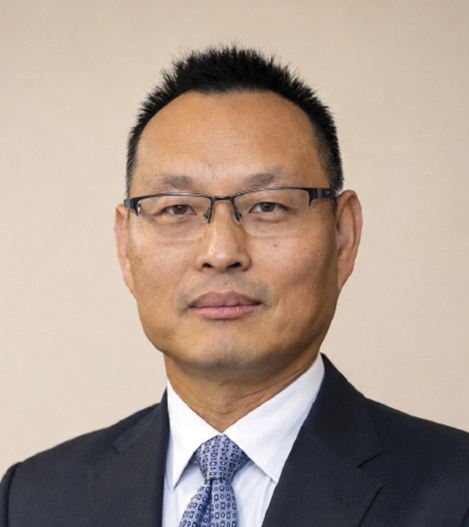
Kun Hu, PhD, is Professor of Anesthesia at Massachusetts General Hospital and Harvard Medical School, with appointments in the Division of Sleep Medicine at Harvard Medical School, Director of the Center for Integrative Physiological Dynamics, and an Associate Member of the Broad Institute of MIT and Harvard. Trained in statistical physics and complex systems science, his research focuses on sleep, circadian rhythms, physiological dynamics, and their roles in aging, cognitive decline, and neurodegenerative disease. By integrating concepts from biophysics, nonlinear dynamics, human physiology, and data science, his work aims to identify novel physiological and digital biomarkers of brain health and dementia risk. Dr. Hu has led and collaborated on numerous national and international studies investigating sleep, circadian regulation, cardiovascular physiology, and cognitive aging, with support from the National Institutes of Health and other funding agencies. He has published extensively in these fields and serves as a reviewer and advisor for the National Institutes of Health and numerous national and international research foundations and funding agencies.