

SABITALKS / Understanding How Neuromodulatory Systems Regulate Brain Circuit Function and Behavior In Health and Disease Conditions
Dr. Emre Laçin from Cleveland Clinic is going to be at SABITALKS on Friday, June 26, 2026 at 2:00 PM, and will give a presentation titled “Understanding How Neuromodulatory Systems Regulate Brain Circuit Function and Behavior In Health and Disease Conditions”
*Participants are required to complete the registration form.
Location: Istanbul Medipol University, North Campus / Technology Transfer Office Meeting Room.
Neuromodulatory signals regulate neural circuit activity across multiple spatial and temporal scales, yet measuring them in vivo remains challenging. In this seminar, I will present two lines of work addressing this problem using complementary experimental approaches. First, I will describe work from my doctoral studies focused on the development of CNiFERs (cell-based neurotransmitter fluorescent engineered reporters), optical biosensors designed for real-time detection of neurotransmitter release in vivo. I will then focus on one of these sensors, namely the somatostatin SST CNiFER, which I used to demonstrate that somatostatin is not only a molecular marker but can also be released into the extracellular space by SST interneurons in the mouse cortex following optogenetic and sensory stimulation. Second, I will present recent postdoctoral work examining large-scale cortical dynamics in a mouse model carrying an autism-associated PTEN mutation. Using widefield calcium imaging simultaneously with behavioral monitoring in awake behaving mice, I measured cortex-wide neural activity in a variety of contexts, including spontaneous behavior, virtual reality navigation, and social interaction. These studies revealed increased long-range functional connectivity and altered representation of arousal-related behavioral states in cortical activity in Pten mutants. Together, these findings highlight how combining fluorescent calcium and neuromodulator sensors with systemslevel imaging can provide new insight into the role of neuromodulatory signaling in circuit function and dysfunction.
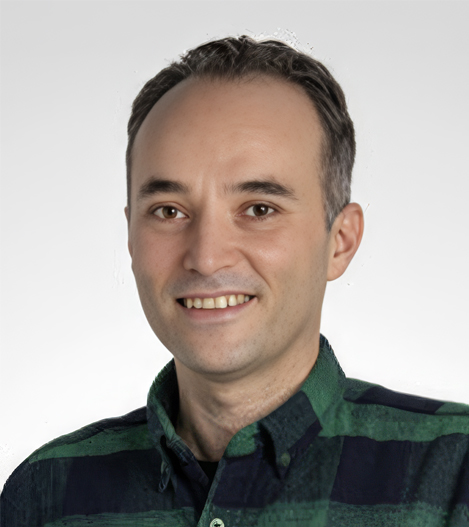
Emre Laçin studied Molecular Biology and Genetics at Bilkent University. He later joined the Psychobiology Lab at Boğaziçi University, where he investigated the neurogenic and neurotrophic effects of light exposure in rodent models. Following his master’s studies, he moved to the United States to complete his PhD in Neuroscience at the Icahn School of Medicine at Mount Sinai. During his doctoral work, he developed cell-based fluorescent sensors designed to detect neurotransmitter and neuropeptide signaling in vivo. He subsequently returned to Boğaziçi University, where he worked in the BOUNtenna Lab on developing biohybrid sensor systems that integrate engineered biological tissues with wireless antenna platforms as part of the AntennAlive Project. Most recently, he completed a postdoctoral appointment in the Yildirim Lab at the Cleveland Clinic Lerner Research Institute, where he studied large-scale cortical dynamics and brain–behavior coupling in mouse models of autism using widefield calcium imaging.