

InFocus / Ecological Succession Defines the Composition of the Fecal MicrobiotaInFocus / Ecological Succession Defines the Composition of the Fecal MicrobiotaInFocus / Ecological Succession Defines the Composition of the Fecal MicrobiotaInFocus / Ecological Succession Defines the Composition of the Fecal Microbiota
  • RESEARCH CENTERS
  • CORE FACILITIES
    • Advanced Microscopy
    • Cell Culture
    • Molecular Cell Biology
    • Proteomics
    • Drug Discovery
    • Bioinformatics
    • Biomaterials
    • Electrophysiology and Behavior
    • Cognitive Neuroscience
    • Animal House
  • PEOPLE
    • Administration
    • Group Leader
    • Transition Scientist
    • Early Career Researchers
    • Students
  • EVENTS
    • Event Calendar
    • Critical Mind
    • SABITALKS
    • InFocus
    • CROSSTALKS
    • MODAS WS
    • SABITA Podcast
    • Social
  • ABOUT US
    • Our Mission
    • Gender Equality Policy
  • RESEARCH CENTERS
  • CORE FACILITIES
    • Advanced Microscopy
    • Cell Culture
    • Molecular Cell Biology
    • Proteomics
    • Drug Discovery
    • Bioinformatics
    • Biomaterials
    • Electrophysiology and Behavior
    • Cognitive Neuroscience
    • Animal House
  • PEOPLE
    • Administration
    • Group Leader
    • Transition Scientist
    • Early Career Researchers
    • Students
  • EVENTS
    • Event Calendar
    • Critical Mind
    • SABITALKS
    • InFocus
    • CROSSTALKS
    • MODAS WS
    • SABITA Podcast
    • Social
  • ABOUT US
    • Our Mission
    • Gender Equality Policy

InFocus / Ecological Succession Defines the Composition of the Fecal Microbiota

REGISTRATION

Dr. Gwen Falony from Wageningen University is going to be at InFocus on May 5, 2026 at 2:00 PM. The event will take place in person.

*Participants are required to complete the registration form.

Location: Istanbul Medipol University North Campus / TTO (Technology Transfer Office) Meeting Room.

https://maps.app.goo.gl/PJRL36832zDRV9eh6

Registration: https://sabita.medipol.edu.tr/index.php/2024/12/25/infocus-form/

Ecological Succession Defines the Composition of the Fecal Microbiota

Quantitative microbiome profiling enabled the identification of an aberrant gut microbiota community-type with high prevalence in patient groups, but also detectable among healthy individuals. Characterized by low microbial load and low abundance of butyrate producers, this enterotype fits the emerging concept of dysbiosis coalescing into a single configuration across multiple pathologies. Understanding the ecological background of aberrant gut ecosystem development or its collapse into dysbiosis is crucial for the development of microbiota modulation strategies with applications in clinical settings.

infocus-gwenfalony

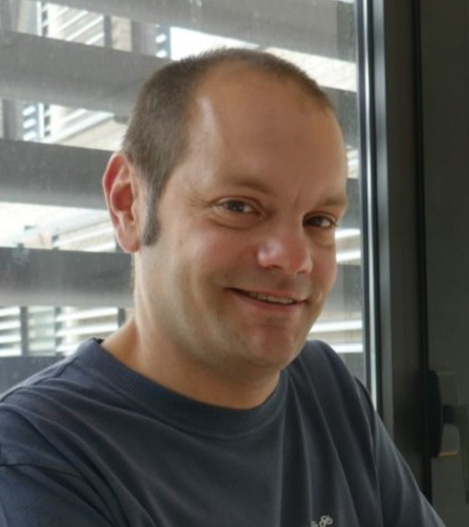
Dr. Gwen Falony

Associate Professor Host-Microbe Interactomics


Wageningen University & Research

Dr. Gwen Falony is an Associate Professor of Host–Microbe Interactomics at Wageningen University & Research. His research investigates the intricate relationships between gut microbiota composition, metabolic activity, and host health, with the aim of translating microbial ecology insights into personalized interventions. Internationally recognized for his pioneering work, Dr. Falony has significantly advanced the field through the identification of covariates of microbiota diversification, the development of quantitative microbiome profiling, and the characterization of dysbiotic microbiome configurations. His current research focuses on innovative methods to monitor successional colonization within the chyme matrix and to identify stunted microbial development in patients with inflammation-associated conditions. In recognition of his contributions to microbiome research, Dr. Falony received the Antoine Faes Award in 2022 and, since 2024, has been named a Clarivate Highly Cited Researcher.
Share

SOCIAL MEDIA

SHORTCUT LINKS


  • Contact
  • Corporate Identity
  • Referrence Guide
  • Request Forms
  • Sabita 360°
  • Sabita Society
  • Social

OUR MISSION

Translation of Scientific Findings From Bench to Bedside

  • Read More
  • © 2025 Medipol University | SABITA Research Institute for Health Sciences and Technologies
    [contact-form-7 id="50" title="Contact form 1"]