

InFocus / Scientific Gathering With A Purpose
Dr. Shefeeq M. Theparambil from Lancaster University is going to be at InFocus on April 10, 2026 at 2:00 PM. The event will take place in person.
*Participants are required to complete the registration form.
Location: Istanbul Medipol University North Campus / 1st Floor, Senate Room.
https://maps.app.goo.gl/PJRL36832zDRV9eh6
Registration: https://sabita.medipol.edu.tr/index.php/2024/12/25/infocus-form/
As a highly energy-demanding organ, the brain requires rapid metabolic adaptation during periods of increased activity to maintain proper function. Astrocytes, the major non-neuronal glial cells in the brain, are increasingly recognised as key regulators of neural circuit function and metabolic homeostasis.
In this talk, the speaker discusses how the neuromodulator adenosine acts as a signalling molecule linking neuronal activity to rapid metabolic responses in the brain. Their work demonstrates that adenosine, acting through astrocytic A2B receptors, activates cAMP-dependent pathways that rapidly stimulate glucose metabolism in astrocytes, allowing local energy production to adjust dynamically to the demands of active circuits.
This astrocytic response is critical for sustaining the high energetic demands of synaptic transmission and supporting synaptic plasticity in the hippocampus. The speaker presents evidence that activity-dependent adenosine signalling in astrocytes modulates synaptic function and contributes to recognition memory. Furthermore, this mechanism links astrocyte-mediated metabolic regulation to broader aspects of brain function, including sleep homeostasis.
Together, these findings highlight astrocytes as active participants in neuromodulatory signalling that coordinates brain energetics with neuronal activity, providing insight into the cellular mechanisms linking metabolism, plasticity, and behaviour.
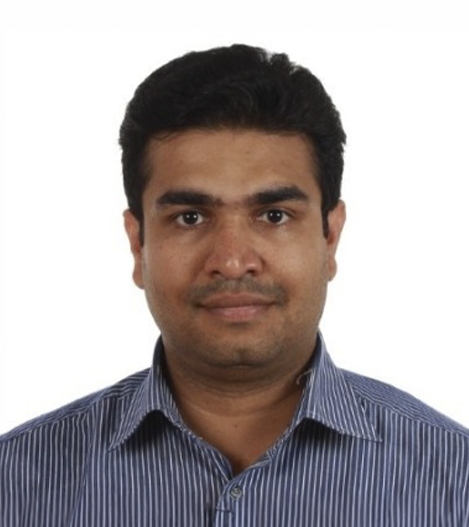
Shefeeq M. Theparambil is a Lecturer/Assistant Professor in Neuroscience at Lancaster University.His research focuses on glial cell physiology in the brain, particularly the role of astrocytes in regulating homeostatic mechanisms and how these processes shape synaptic plasticity and overall brain function.
He uses an integrated approach combining live-cell imaging with genetically encoded signalling and metabolic probes, alongside transgenic animal models and behavioural analyses, to understand astrocyte function.