

New Facility / Seahorse: Extracellular Flux Analyzer
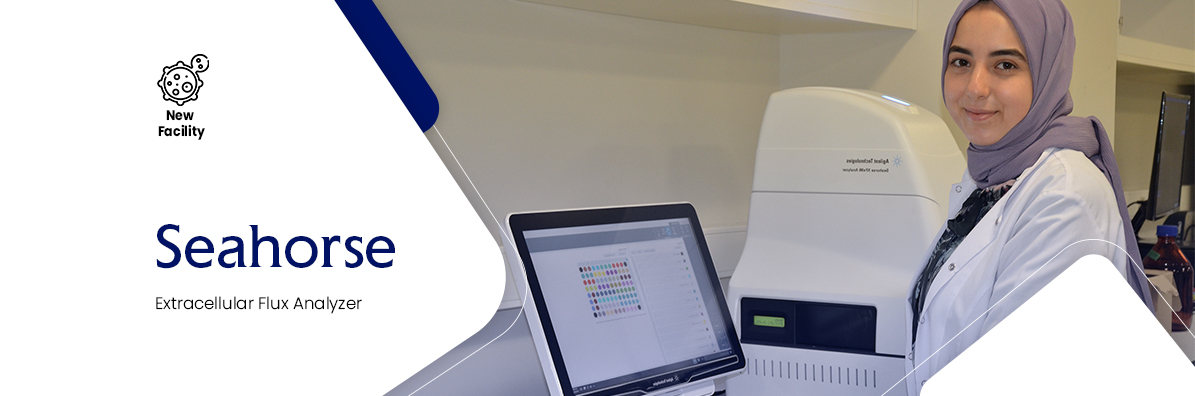
The importance of the metabolism in cellular and physiological processes is well known. Metabolic dysfunction or reprogramming is linked to many diseases and this makes assessing metabolic function more valuable. The Seahorse XFe96 Extracellular Flux Analyzer, which is called as the world’s most advanced metabolic analyzer, measures the two major energy pathways -mitochondrial respiration and glycolysis- in live cells. This is done by measuring the rates of oxygen consumption and proton release in the assay medium using special optical probes. The Oxygen Consumption Rate (OCR), obtained as a result of the measurements, is an indicator of mitochondrial respiration while the Extracellular Acidification Rate (ECAR) is largely an indicator of glycolysis. Additionally, it is possible to detect responses of cells to different compounds like substrates, inhibitors or stimulants in real time with the 4-port injection system.
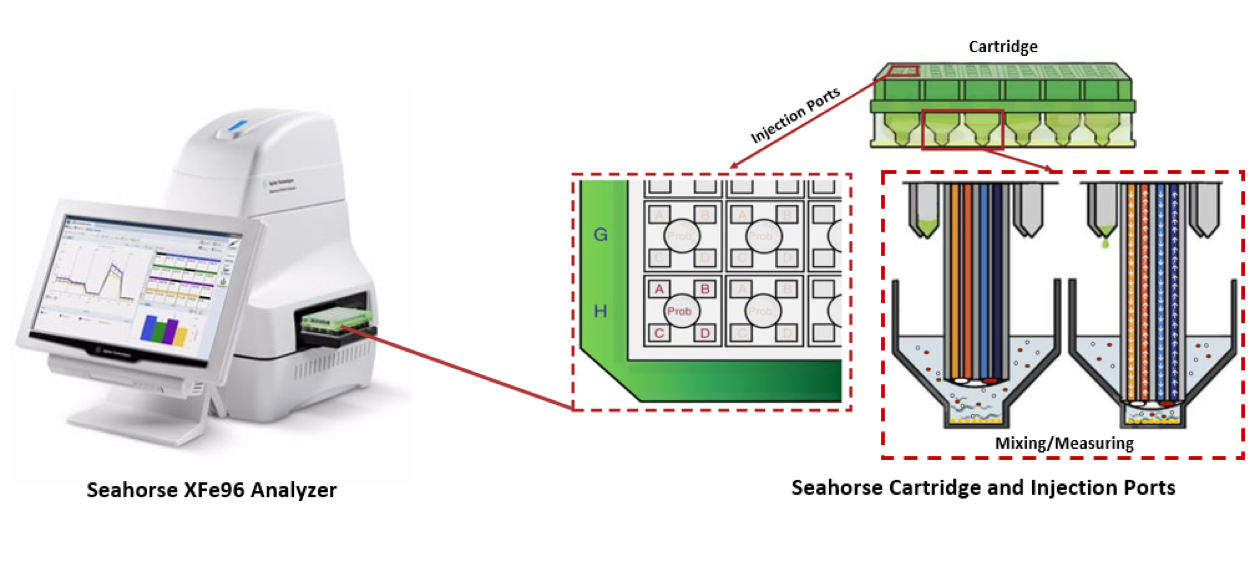
Figure 1. Working principle of Seahorse Analyzer
It is also possible to calculate different metabolic parameters by using Seahorse XF test kits:
XF Cell Mito Stress Test
The Seahorse XF Cell Mito Stress Test is the standard assay for measuring mitochondrial function in cells. Key parameters of mitochondrial function – basal respiration, ATP production-coupled respiration, proton leak, maximal respiration, spare respiratory capacity, and non-mitochondrial respiration– are obtained in one assay. The test protocol involves 3 serial injections of oligomycin (ATP synthase inhibitor), FCCP (uncoupling agent) and rotenone/antimycin A mix (complex I and III inhibitors). An acute injection can also be performed for assessing a compounds’ effect on mitochondrial function.
XF Glycolytic Rate Assay
The Seahorse XF Glycolytic Rate Assay provides accurate measurements of basal and compensatory glycolysis following mitochondrial inhibition in cells. Glycolytic Rate Assay measures extracellular Proton Efflux Rate (PER) which is more specific indicator of glycolytic rate than ECAR in cells.
XF Glycolysis Stress Test
The Seahorse XF Glycolysis Stress Test is a standard method for assessing the main parameters of glycolysis -glycolytic capacity, glycolic reserve and non-glycolytic acidification-. Unlike Glycolytic Rate Assay, non-glycolytic acidification is assessed through glucose starvation.
XF Mito Fuel Flex Test
Mito Fuel Flex Test is a method to evaluate of mitochondrial fuel usage of cells. By using specific inhibitors in different combinations, it is possible to measure dependency, capacity, and flexibility of cells to oxidize the three key mitochondrial fuels: glucose, glutamine and fatty acids. Results of this test provide information on the relative contribution of glucose, glutamine, and long-chain fatty acid oxidation to basal respiration and the ability of cells to alter the oxidative pathways to meet their basal energy requirements.
XF Cell Energy Phenotype Test
Energy Phenotype Assay provides a simple test for determining the energy phenotype of live cells by measuring the mitochondrial respiration and glycolysis potential simultaneously. Baseline Phenotype, Stressed Phenotype and Metabolic Potential are the three key parameters of cell energy metabolism that this test reveals. This test is usable for investigation of metabolic switches and comparison of metabolic phenotypes between cell types and treatment conditions.
Additional Information
- The Seahorse Analyzer is compatible with all cell types, including primary cells, cell lines, isolated mitochondria etc.
- The optimal cell density needs to be determined beforehand for all Seahorse XF tests to ensure your data is within the optimal range.
- The concentrations of the some reactives to be used should be optimized for each cell type for most Seahorse XF tests. For example, if you want to perform a Mito Stress Test, Oligomycin and FCCP concentrations is highly recommended to be optimized.
- XFe96 cartridge plate is not reusable. You can use only a portion of the 96 wells, but the cost of the experiment will be the same, you cannot use the remaining wells at a later experiment.
- For the most efficient use of XFe96 cell culture plate and to improve data quality, we recommend having 3-6 replicates of each condition/cell type on the same plate.
- SABİTA staff will help you design your experiments and teach you how to use Wave software to examine your data. For more information, please contact Şeyma KABLAN ÇİMEN at [email protected]